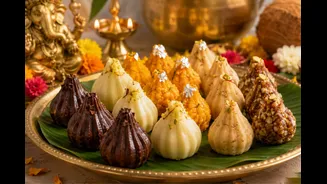







Staying away from sugar on most days becomes a little harder during festive season, especially when modaks make their way onto the table. I can resist the mithai box sitting in the fridge, but a soft modak with
its coconut-jaggery filling is a different story altogether.
And then there are the people who want their modaks with a little less sugar (me!), a little more crunch or flavours borrowed from other beloved Indian desserts. From paan and kesar to kaju and rasmalai, the humble modak has quietly become a canvas for experimentation. Even the familiar festive favourite is getting a makeover depending on what your family likes, what is trending online and, increasingly, what people are searching for before they enter the kitchen.
So, what exactly have Indians been looking up when it comes to modaks? Google Search data, reviewed over the past five years, reveals eight modak varieties that have consistently captured attention, with traditional favourites such as Ukadiche Modak, Kozhukattai and Kudumulu continuing to hold their place alongside newer, more indulgent and mindful versions.
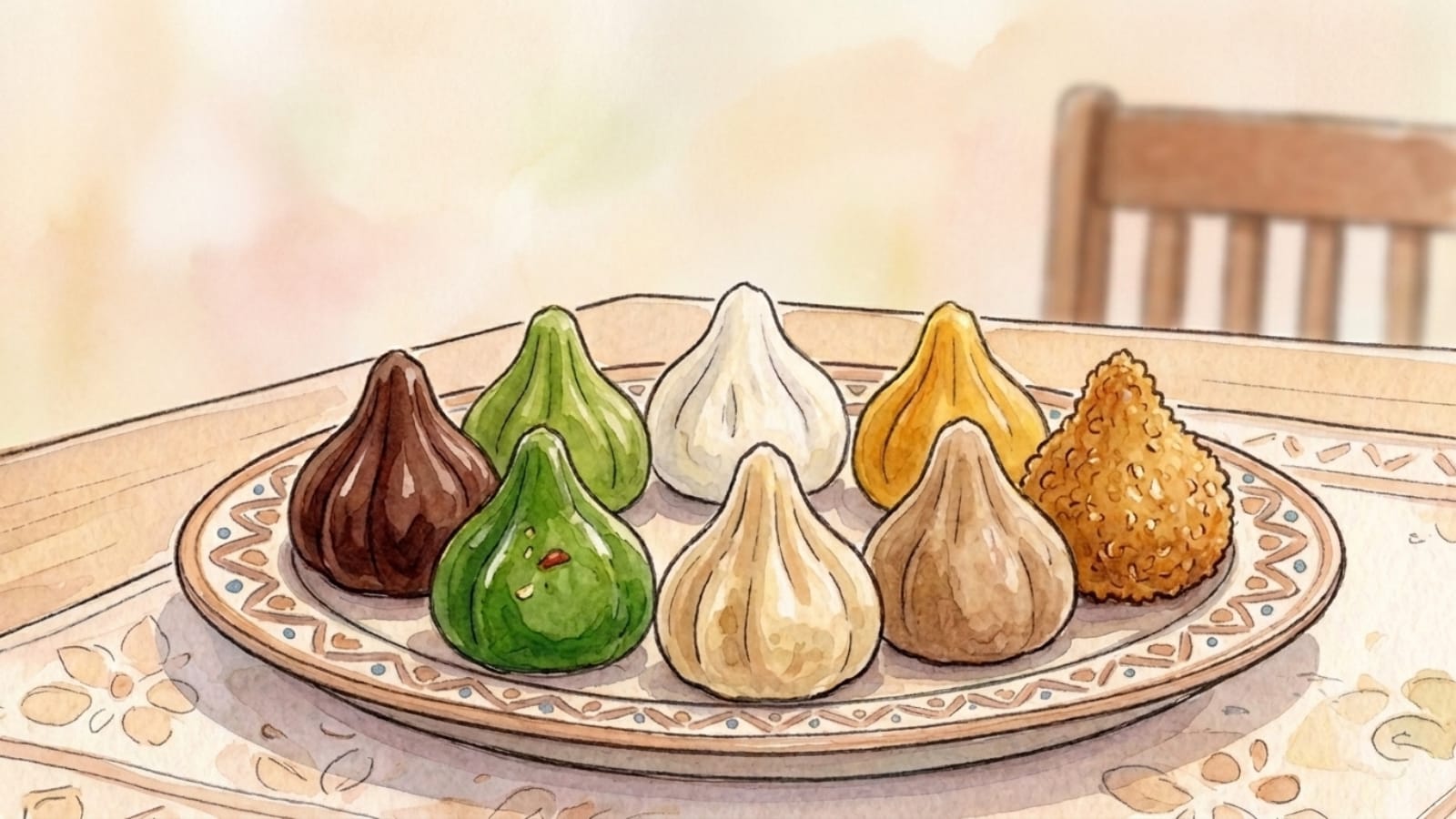
Rasmalai Modak
A rich combination crafted with chhena, paneer and malai for a royal mithai flavour.
Paan Modak
An aromatic, refreshing option filled with betel leaf flavours and sweet gulkand.
Kesar / Malai Modak
A luxurious sweet deeply infused with the rich warmth of saffron and malai.
Sugar-Free Modak
A mindful, wholesome alternative naturally sweetened using dates and dry fruits.
Kaju Modak
A smooth, melt-in-the-mouth preparation inspired by the classic kaju katli texture.
Besan Modak
A comforting favourite made from the rich aroma of roasted gram flour.
Talniche or Fried Modak
A golden, crispy and flaky outer shell encasing a sweet coconut-jaggery filling.
Whether you stick to the classics or experiment with a new flavour, the season of modaks remains as sweet as ever.
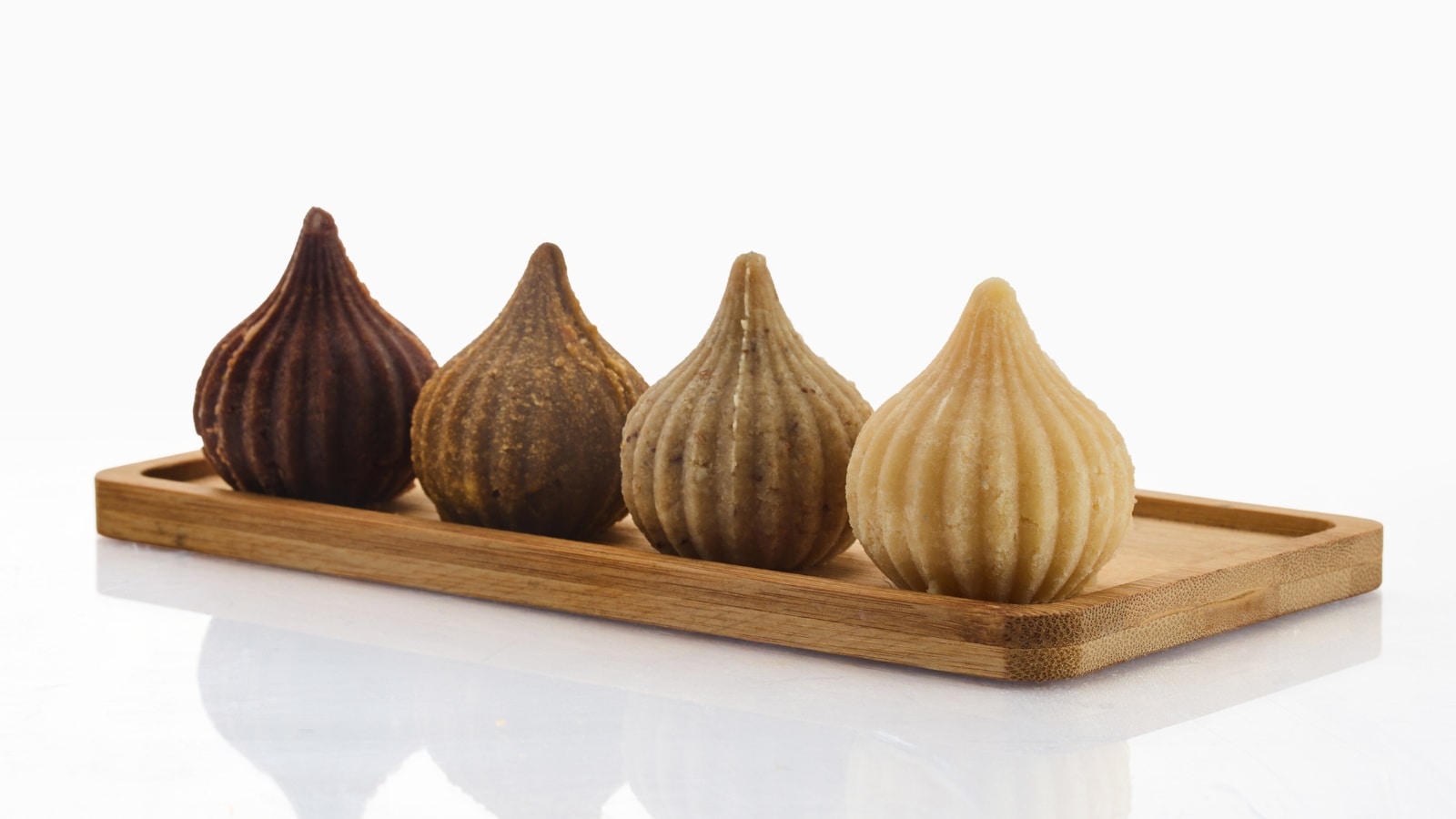
If you want to enjoy modaks without adding refined sugar, dates and dry fruits can do most of the sweetening work. We got you covered with this sugar-free modak recipe you can make at home easily.
How To Make Sugar-Free Modak At Home
This version has a naturally nutty sweetness, a soft filling and enough cardamom to give it that familiar festive aroma.
Ingredients
- 1 cup soft, seedless dates
- ½ cup almonds
- ½ cup cashews
- ¼ cup pistachios
- 2 tablespoons desiccated coconut
- ½ teaspoon cardamom powder
- 1 teaspoon ghee
- 1–2 tablespoons milk, only if needed
- A pinch of salt
Step 1: If the dates are firm, soak them in warm water for about 10 minutes. Drain completely and pat them dry. Remove the seeds if using dates that are not already deseeded.
Step 2: Heat a pan on low to medium heat and lightly roast the almonds, cashews and pistachios for a few minutes. Do not brown them. Allow them to cool before transferring them to a blender.
Step 3: Pulse the roasted nuts until they become a coarse powder. Avoid blending for too long, as the nuts can release their oils and turn into a paste. Add the dates, desiccated coconut, cardamom powder and a pinch of salt. Pulse again until the mixture starts coming together. If it feels too dry, add a teaspoon of milk at a time. You can also add a little ghee for a softer texture.
Step 4: Heat a teaspoon of ghee in a non-stick pan. Add the date and nut mixture and cook on low heat for 2–3 minutes, stirring continuously. The mixture should come together into a soft, pliable mass rather than remain sticky or wet. Take it off the heat and let it cool until it is comfortable to handle.
Step 5: Grease a modak mould lightly with ghee. Take a small portion of the mixture and press it firmly into the mould, making sure there are no gaps. Open the mould gently and place the shaped modak on a plate. Repeat with the remaining mixture.
Step 6: The modaks can be served immediately or chilled for 20–30 minutes for a firmer texture. Garnish with finely chopped pistachios or a few strands of saffron if desired.
One thing to remember: using dates and dry fruits instead of refined sugar does not make these modaks sugar-free in the strict nutritional sense. They still contain naturally occurring sugars and are best enjoyed in moderation, particularly by people who need to monitor their blood sugar.