






We breathe nearly 20,000 times a day, yet most of us are breathing incorrectly. And that matters more than we realise. A significant proportion of modern lifestyle disorders have a strong psychosomatic
component. This does not mean diseases are imaginary; it means chronic stress and emotional overload significantly influence their onset, progression, and severity.
Dr Palak Dengla, Chief Physiotherapist, Aster RV Hospital, Bangalore, shares all you need to know:
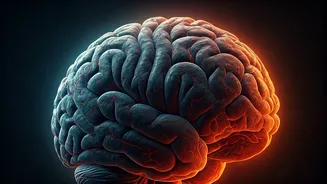
At the centre of this is the autonomic nervous system, which has two main arms:
Sympathetic nervous system – the “fight-or-flight” stress response
Parasympathetic nervous system – the “rest, repair, and recovery” response
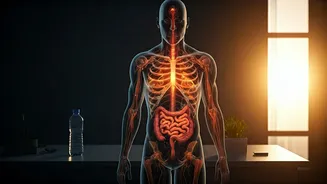
When we live under constant mental pressure, the sympathetic system remains overactive. This keeps cortisol levels elevated and promotes chronic low-grade inflammation — a silent contributor to:
Hypertension
Type 2 diabetes
Thyroid imbalance aggravation
Chronic neck and back pain
Digestive disturbances
Insomnia and fatigue
Over time, inflammation and nervous system imbalance reinforce each other. Your breath is the fastest way to interrupt this cycle. Slow, conscious breathing shifts the body from sympathetic overdrive to parasympathetic calm, lowering stress hormones, improving circulation, and enhancing recovery. Clinical observations suggest that 60–80% of chronically stressed adults show dysfunctional breathing patterns.
5 Powerful Breathing Techniques
1. Diaphragmatic Breathing (Abdominal Breathing)
The diaphragm is a large, dome-shaped muscle located at the base of the lungs. Diaphragmatic breathing helps you use the diaphragm correctly while breathing. This technique, commonly known as belly breathing, offers several benefits, including lowering blood pressure, reducing heart rate, and improving relaxation.
This practice involves inhaling deeply through the nose, allowing the abdomen to rise, followed by slow, controlled exhalation.
2. Box Breathing
Box breathing is a deep breathing technique that helps slow down your breath. It works by distracting your mind as you count to four, calming your nervous system, and reducing stress in the body.
This rhythmic breathing stabilises heart rate, reduces anxiety, and improves concentration. It is particularly effective during high-pressure situations, helping people regain control of their mental state.
3. Alternate Nostril Breathing
This technique is highly effective for restoring emotional and neurological balance. It involves breathing through one nostril at a time while alternating sides, which helps balance brain hemisphere activity and promotes calmness.
4. 4-7-8 Breathing
Often referred to as a natural tranquilliser for the nervous system, this technique involves prolonged exhalation, which stimulates the vagus nerve, activates the parasympathetic system, and reduces anxiety.
It involves inhaling for four counts, holding the breath for seven seconds, and exhaling slowly for eight seconds, allowing the body to achieve deep relaxation.
5. Humming Breathing (Bhramari-Inspired)
In this technique, you inhale normally and exhale while producing a gentle humming sound.
Humming increases nitric oxide production, enhances sinus ventilation, and stimulates vagal tone, promoting deep relaxation and calmness.
Think of breathwork as neurological hygiene:
5 minutes after waking up
5 minutes before sleep
2–3 minutes during stressful moments
Slow breathing improves heart rate variability and oxygen delivery, enhancing:
Memory
Focus
Cognitive clarity
Productivity
In a world where stress drives inflammation and disease, breathing correctly may be the most underused form of preventive medicine. Sometimes healing does not begin with a prescription, it begins with one conscious breath.