







The Hindi film industry of the 1990s operated under a shadow few today can fully comprehend. It was a time when the underworld’s grip on Bollywood was not just whispered about but openly acknowledged by
those within the system. Actors, producers and directors have since spoken about threatening calls, extortion demands and, in some cases, brutal consequences for defiance.
Yet, filmmaker Ram Gopal Varma claims his experience was strikingly different.
‘I’m Earning My Living Because of Dawood Ibrahim’
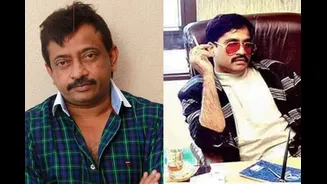
In a recent interaction, Varma made a startling admission about his connection to the underworld’s influence on his work. Speaking about his autobiography Guns & Thighs, he revealed that he had originally dedicated the book to Dawood Ibrahim, a move that was ultimately altered by publishers.
He said, “I dedicated the book to Dawood Ibrahim also, but the publishers removed his name. If Dawood Ibrahim was not there, I would not have made Satya and Company, the two iconic films. How can I not dedicate it to him? I am earning my living because of him.”
For Varma, the underworld was not just a looming threat but a source of creative inspiration that shaped some of his most defining films.
‘They Loved My Films, I Never Got Threat Calls’
While many in the industry have recounted chilling encounters with gangsters, Varma insists he never faced such intimidation.
“I was the only guy who never got threatening calls, the reason being they loved Satya and Company. They didn’t want to bother me. I kind of became their soul mate,” he said.
Both films, often regarded as landmark crime dramas, drew heavily from the realities of Mumbai’s underworld, something Varma believes worked in his favour rather than against him.
Claims of Underworld Funding
The relationship between Bollywood and the underworld has long been the subject of debate. Former Mumbai police officer D Sivanandhan had earlier suggested that several films depicting gangster life were allegedly backed by the very forces they portrayed.
He claimed that films like Satya, Company, Shootout at Wadala and Shootout at Lokhandwala were financed by gangsters and, in some ways, contributed to shaping or even softening their public image. He further alleged that even earlier films such as Deewaar and Muqaddar Ka Sikandar had similar backing.
Bollywood’s Darkest Phase
The 1990s remain one of the most turbulent chapters in Bollywood’s history. Prominent figures across the industry have spoken about living under constant fear.
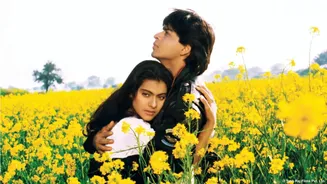
Filmmaker Karan Johar has previously revealed receiving threat calls during the release of his debut film Kuch Kuch Hota Hai. Actor Varun Dhawan has shared that his father, filmmaker David Dhawan, faced similar intimidation.
The most chilling reminder of that era was the daylight murder of Gulshan Kumar, the founder of T-Series, who was gunned down by gangsters.
Reflecting on that time, Sivanandhan admitted that both the industry and law enforcement were constrained. Actors and filmmakers had little choice but to comply, while authorities lacked the means to provide adequate protection.