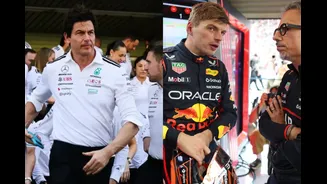








F1’s 2026 engine war has exploded before a single car has turned a wheel — and it all seems to have started with one leak.
Three days after reports emerged of a controversial power-unit trick being exploited
by Mercedes and Red Bull, neither team has denied the claims. The FIA hasn’t shut them down either, quietly admitting it is “monitoring the situation” — a phrase that usually signals trouble ahead.
First things first, what is at the heart of all this drama?
Well, the 2026 F1 rulebook was meant to reset the grid. DRS is out, active aero is in, and engines are being completely reworked. But a single line buried in the regulations may have lit the fuse on the next technical war.
From 2026, engines are capped at a 16:1 compression ratio, down from 18:1. The catch? The rulebook states the limit is measured at ambient temperature — when the engine is cold. According to reports, Mercedes and Red Bull spotted the loophole: once running hot, the effective compression can rise. The payoff could be 15 extra horsepower — gold dust in modern F1.
Then came the bombshell.
Italy’s Corriere dello Sport has now reported that around seven months ago, a Mercedes engineer who had moved to Red Bull Powertrains leaked the concept, allowing Red Bull to attempt to replicate the system.
The twist? Mercedes has allegedly been developing the idea for over a year — but may not actually be able to race the engine under the current interpretation of the rules.
That problem doesn’t stop at Brackley. It could engulf all Mercedes-powered teams: reigning champions McLaren, along with Williams and Alpine.
The fallout has already reached the FIA’s doorstep. A tense general meeting was held on Thursday, with Ferrari, Honda and Audi demanding immediate clarity.
The FIA now faces an impossible choice.
Ban the concept, and risk four teams being barred from competing. Approve it, and brace for protests, appeals and potential disqualifications before the 2026 season even begins.
A compromise is reportedly being floated: allow Mercedes-powered teams to race with the engine temporarily, on the condition of full compliance by 2027. Unsurprisingly, rivals aren’t buying it.
With secrets leaked, alliances strained, and horsepower on the line, F1’s new era is already at war.