





Social media has transformed the way people connect, communicate, and build opportunities. What once began primarily as a space for entertainment has evolved into a powerful platform for work, business,
and creativity. Today, many people use social media almost like a personal journal, documenting their lives, ideas, and experiences.
In many ways, the line between creators and entrepreneurs has blurred. Almost every founder today feels the need to become a content creator, while many content creators are gradually building businesses and brands of their own.
This shift has also opened new avenues for women. Social media has allowed women to lead and dominate several industries such as lifestyle, beauty, skincare, haircare, coaching, psychology, and even healthcare. Doctors, therapists, educators, and professionals are increasingly using digital platforms to share knowledge, raise awareness, and reach a wider audience. Visibility that once required years of networking or media exposure can now be achieved directly through consistent and meaningful content.
However, while social media has created incredible opportunities, it has also introduced new psychological pressures.
“Social media can be empowering, but it can also quietly become a space where people measure their worth through numbers,” says Ankita Kaul, wellness coach and relationship counsellor and founder, The Unfiltered Ladies. “When likes, views, and follower counts start becoming the yardstick of validation, many women begin to question their growth and value, even when they are doing meaningful work.”
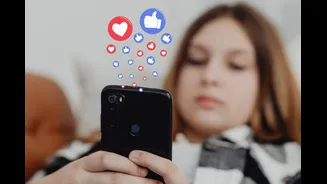
One of the biggest challenges affecting self-esteem is the culture of comparison driven by engagement metrics. Likes, views, follower counts, and comments often become silent benchmarks that people measure themselves against. Many women find themselves comparing their growth, influence, or community size with others, which can lead to unnecessary disappointment and self-doubt.
“Social media comparison often triggers what psychologists call ‘perceived inadequacy’, a feeling that everyone else is doing better or living better lives. When people repeatedly measure their worth against curated online moments, it can gradually impact confidence and self-esteem,” says clinical psychologist Dr Radhika Mehra.
An even deeper concern is the rise of unrealistic beauty standards. Social media feeds are filled with highly edited photos, filters, cosmetic enhancements, and curated perfection. Over time, this can create a distorted perception of what beauty should look like.
Many women begin to question their own appearance simply because they are comparing themselves to digitally perfected images. The reality is that most people have never met these creators in real life, yet their online personas are often perceived as flawless. This constant exposure can make people feel as if they are aging faster, falling short, or not looking “good enough.”
Encouragingly, audiences are slowly shifting toward authenticity. Content that reflects real life, honest experiences, and natural beauty is gaining appreciation.
“Dark circles, wrinkles, changing hairlines, and body fluctuations are all natural parts of being human. When we start accepting these realities instead of comparing ourselves to filtered perfection, social media can become a much healthier space,” adds Kaul.
Ultimately, social media is a powerful tool, but it requires awareness in how we engage with it. Our self-worth cannot be determined by engagement numbers, and our beauty cannot be defined by filtered images. When used mindfully, social media can empower, educate, and connect but it must never replace how we value ourselves.