









The Directorate General of Civil Aviation (DGCA) is likely to ask all airlines to conduct psychoactive substance screening tests for their pilots, Times Now reported, citing sources. The aviation regulator
is working on amendments to the Civil Aviation Requirements (CAR) related to doping tests and the rules governing such screenings, according to the report.
The proposed amendments are expected to establish a framework and set out rules for psychoactive substance screening across airlines.
The development comes after the Air India Group introduced mandatory screening for all its pilots following an incident involving an Air India Phuket-Delhi flight earlier this month.
Two Air India Group Pilots Test ‘Non-Negative’
Two pilots of the Air India Group returned “non-negative” results in initial drug screening tests, according to a source cited by PTI.
Their samples were sent for confirmatory tests.
News agency PTI quoted a source as saying that psychoactive substance tests have so far been completed for around 400 pilots of the Air India Group.
Of these, the initial screening results of two pilots came “non-negative”.
Specific details about the substances detected in their preliminary tests were not immediately available.
The results were preliminary and required confirmation through further testing.
Air India has not issued an official comment on the development.
Air India and Air India Express began mandatory psychoactive substance testing of all their pilots on August 13, expanding the checks beyond existing regulatory requirements.
The two Tata Group-owned airlines together have more than 5,000 pilots.
Testing Expanded After Phuket-Delhi Flight Incident
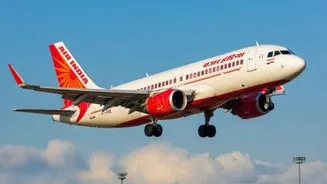
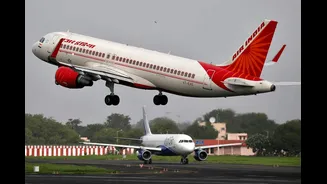
The decision to screen the entire pilot workforce came after the August 4 incident involving Air India flight AI2379, an Airbus A320neo operating from Phuket to Delhi.
The aircraft suddenly lost around 300 feet (91 metres) in altitude during cruise amid turbulence.
There were 145 people on board, including 137 passengers and eight crew members. At least 24 people were injured in the incident.
The pilot-in-command subsequently tested positive for marijuana in a confirmatory drug test.
According to sources, the pilot had initially returned a “non-negative” result for a psychoactive substance, following which the confirmatory test identified marijuana.
The incident has brought increased scrutiny on pilot fitness and compliance with regulations governing psychoactive substances.
Air India Goes Beyond Existing Testing Requirement
Under existing regulations, airlines are required to randomly test at least 10 per cent of their flight crew for psychoactive substances every year.
Air India’s decision to screen its entire pilot workforce therefore goes beyond the current regulatory requirement.
The comprehensive screening covers substances as well as medications prohibited under prevailing aviation regulations.
The tests are being conducted at different locations, including alongside training sessions at Air India’s Gurugram academy, after flights at briefing centres and airline offices, and at locations designated by pilots’ respective home bases.