






Strait Of Hormuz Traffic Update: Twenty days into the ceasefire between Iran and the US, shipping activity through the Strait of Hormuz remains severely subdued, with traffic yet to recover even to half
of pre-conflict levels seen before hostilities began in March. Before the war, an average of 130 to 140 ships transited the strait every 24 hours.
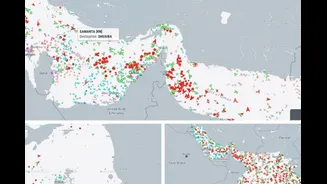
Data from MarineTraffic (marinetraffic.com) shows that a large number of vessels continue to remain stranded across the Persian Gulf and the Gulf of Oman. Only a limited number of ships—mostly Iranian-flagged—have been navigating through the critical waterway.
Over the past 24 hours, just seven vessels transited the Strait of Hormuz, while three more were in the process of crossing, according to data from the Hormuz Strait Monitor as of 10:40 IST.
In the photo above, red colour indicates tankers carrying oil, chemicals, gas/LNG, and similar cargo, while green represents cargo vessels such as bulk carriers, container ships, and general cargo vessels.
Why Is Strait Of Hormuz Traffic Blocked?
By choking off 20% of global oil and 20% of LNG, Iran is attempting to manufacture a global energy crisis so severe that the international community—specifically the EU and major Asian powers—will pressure Washington to return to the negotiating table.
Asia is the primary victim of this blockade, as 75% of the oil and 59% of the LNG passing through Hormuz is destined for just four countries: China, India, Japan, and South Korea.
The blockade has also pushed prices of Brent crude to USD 100 per barrel, with some analysts warning of $300/barrel if a full-scale infrastructure war breaks out.
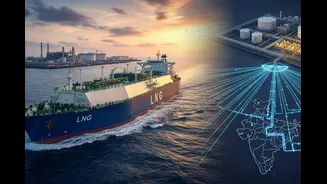
News18 reported earlier today that the first Liquefied Natural Gas (LNG) shipment has successfully crossed the Strait of Hormuz. This was the first such transit since the West Asia war began in March.
On April 17, Iran announced that the Strait of Hormuz was “fully open” to commercial shipping in the wake of a ceasefire in Lebanon. US President Donald Trump acknowledged the development, though he reiterated that US naval restrictions targeting Iranian-linked ports and vessels would continue. However, the situation changed rapidly. Within a day, Tehran reimposed restrictions, citing the ongoing US blockade and alleged breaches of the ceasefire terms.