


The future of haircare may not come bottled – it may come beaming.
As conversations around hair loss shift from vanity to wellness, more people are looking at thinning, shedding and receding hairlines through
a medical lens. Follicle health, scalp circulation and cellular ageing are now central to the discussion. Enter red light therapy: a technology-first solution that promises to stimulate hair growth not through chemicals or invasive procedures, but through targeted light.
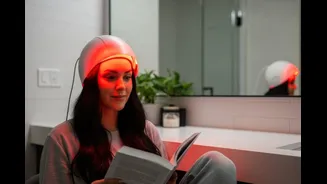
Once limited to dermatology clinics, this science-backed treatment is now making its way into homes via sleek laser caps and handheld devices, offering a convenient, non-invasive way to support hair regrowth.
“Hair loss today is not just a cosmetic concern; it reflects follicular health, scalp circulation and cellular ageing. Red Light Therapy represents a meaningful shift in how we approach hair regrowth, especially in home settings,” says Dr Anindita Sarkar, Chief Medical Officer, Clinikally. Adding clinical weight, Dr Geetika Srivastava, Dermatologist and Founder, Influennz Clinic, Delhi, notes, “Red light therapy, also known as low-level laser light therapy (LLLT), is a USFDA-approved treatment for androgenetic alopecia.”
How Red Light Therapy Works
Unlike topical serums or supplements, red light therapy works at a cellular level. Devices emit low-level red wavelengths – typically around 630 nm – that penetrate the scalp and stimulate energy production within hair follicles. This process improves blood circulation, reduces inflammation and encourages follicles to stay longer in the growth phase.
Dr Sarkar explains, “This therapy stimulates cellular energy production within hair follicles, helps improve blood flow, reduces inflammation and supports natural hair growth.”
In simpler terms, better circulation equals better nourishment for the roots.
Why At-Home Devices Are Gaining Ground
What makes red light therapy especially appealing is accessibility. Lightweight laser caps and comb-style devices allow users to continue treatment while working, reading or relaxing at home.
Dr Srivastava recommends a consistent protocol: “Using a laser cap for 15–20 minutes, two to three times a week, can help control hair fall initially and improve hair density over three to six months.”
The non-invasive nature means no downtime, no pain and minimal risk – a stark contrast to more aggressive interventions. But consistency, experts stress, is key. This is gradual, cumulative care and not an overnight miracle.
Not A Magic Fix — But A Smart Addition
While promising, red light therapy isn’t a standalone solution. “It is especially compelling because it complements medical treatments rather than replaces them,” says Dr Sarkar, advocating for an integrated, science-led approach to hair health.
Dr Srivastava echoes the caution: “It works best for mild hair loss and as an adjunct therapy alongside treatments like minoxidil, finasteride or PRP.”
Those experiencing significant thinning or sudden shedding should seek professional evaluation first. Devices are most effective in early-stage hair loss, when follicles are still active.
The Bigger Shift In Haircare
Beyond regrowth, the rise of red light therapy signals a larger evolution in beauty: one that prioritises prevention, long-term health and medically informed solutions. At-home technology is allowing users to take ownership of chronic concerns like hair thinning with greater regularity and confidence by bridging the gap between clinic visits and daily care.
Red light therapy isn’t hype. It’s science meeting convenience. When used consistently and under guidance, it can be a powerful ally in managing early hair loss. In a world of quick fixes, this slow, steady approach may be exactly what healthy hair needs.