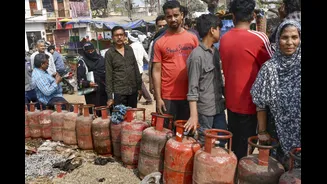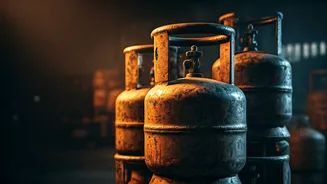




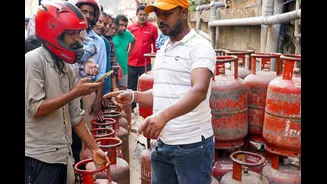
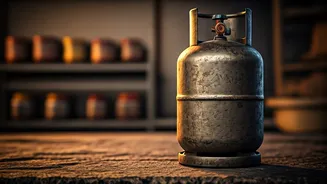
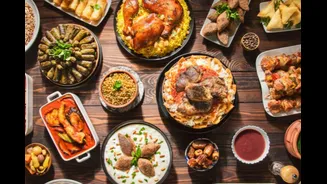
The escalating West Asia conflict has triggered a “fuel shock” across Delhi’s culinary landscape, from the legendary alleys of Paharganj to the upscale markets of GK-2. As the global energy supply chain
falters, the hospitality sector has been forced into a high-stakes survival mode, leading to temporary closures and a radical rethinking of how the city’s favourite meals are prepared.
The Immediate Crisis: Shuttered Icons
The impact is already visible on the ground. Boheme, located in Karol Bagh’s busy food market, was forced to shut its doors this Wednesday after its backup cooking gas was exhausted. The owner reported that customers had to be turned away after their gas agency operator confirmed they had no supply.
The crisis has not spared legacy establishments either. Kashmir Chur Chur Naan in Paharganj—a renowned name in Delhi’s food heritage—narrowly avoided a shutdown today after managing to secure a single day’s supply. Similarly, Amaltas in GK-2 is operating at a restricted capacity as commercial suppliers refuse to provide LPG.
Survival Strategies: Rationalising the Menu
In response to the disruption, the National Restaurant Association of India (NRAI) has issued an advisory to its members. Manpreet Singh, honorary treasurer of the NRAI, emphasised the need for “operational efficiency.” Key measures include:
Menu Rationalisation: Prioritising dishes that require lower gas usage or shorter cooking cycles.
Suspension of Slow-Foods: Temporarily removing items that require long simmering, deep-frying, or slow-cooking.
Efficiency Upgrades: Utilising lids and pressure cookers to retain heat and streamlining operations at low-demand locations.
The Shift to Electric
Premier legacy chains like Sandoz, which operates over 50 outlets nationwide, are already preparing for a long-term crunch. Owner Ranauq Ahluwalia noted that while they are downsizing menus and improvising cooking mechanisms, they are also investing in alternatives. “We have ordered rice cookers, boilers, and steamers—whatever we can use as an alternative, we are trying to arrange,” Ahluwalia stated, while flagging the rising costs of unauthorised cylinders in the commercial supply.
A Call for ‘Essential Service’ Status
The industry remains in “crisis mode” with fears of mass job losses. Amit Bagga, co-founder of Daryaganj Restaurants, pointed out that nearly 80% of Indian eateries depend on cylinders with very little inventory buffer. Bagga is calling on the government to classify the restaurant industry as an essential service, warning that a prolonged shortage threatens both the livelihoods of thousands of employees and the daily meals of citizens who rely on these outlets for basic food needs.