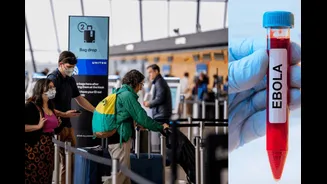








Governments across multiple continents are ramping up health surveillance and tightening travel protocols as concerns mount over the worsening Ebola outbreak in parts of Central Africa. From enhanced airport
screenings to stricter entry requirements, countries are adopting precautionary measures aimed at preventing cross-border transmission while health authorities work to contain the virus at its source.
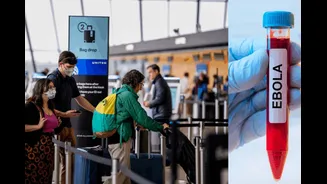
The United States, Canada, the Bahamas, Bahrain and Jordan have introduced some of the strictest measures so far, including temporary entry bans, enhanced airport screenings and mandatory quarantine requirements for travellers arriving from Ebola-affected regions. Meanwhile, countries such as India, Kenya and Thailand have intensified surveillance at airports and border checkpoints, while urging citizens to avoid non-essential travel to high-risk areas.
Health authorities remain particularly concerned because the current outbreak involves the rare Bundibugyo strain of Ebola, for which there is currently no approved vaccine. The virus has already resulted in hundreds of suspected cases and deaths across the DRC and Uganda, with experts warning that conflict, displacement and strained healthcare systems are complicating containment efforts.
Despite the growing restrictions, public health organisations including the WHO and Africa CDC have cautioned against relying solely on travel bans, arguing that stronger outbreak control measures at the source remain the most effective way to prevent wider transmission. Both agencies continue to emphasise that Ebola spreads through direct contact with infected bodily fluids rather than through the air, keeping the overall risk to the general public relatively low when appropriate precautions are followed.