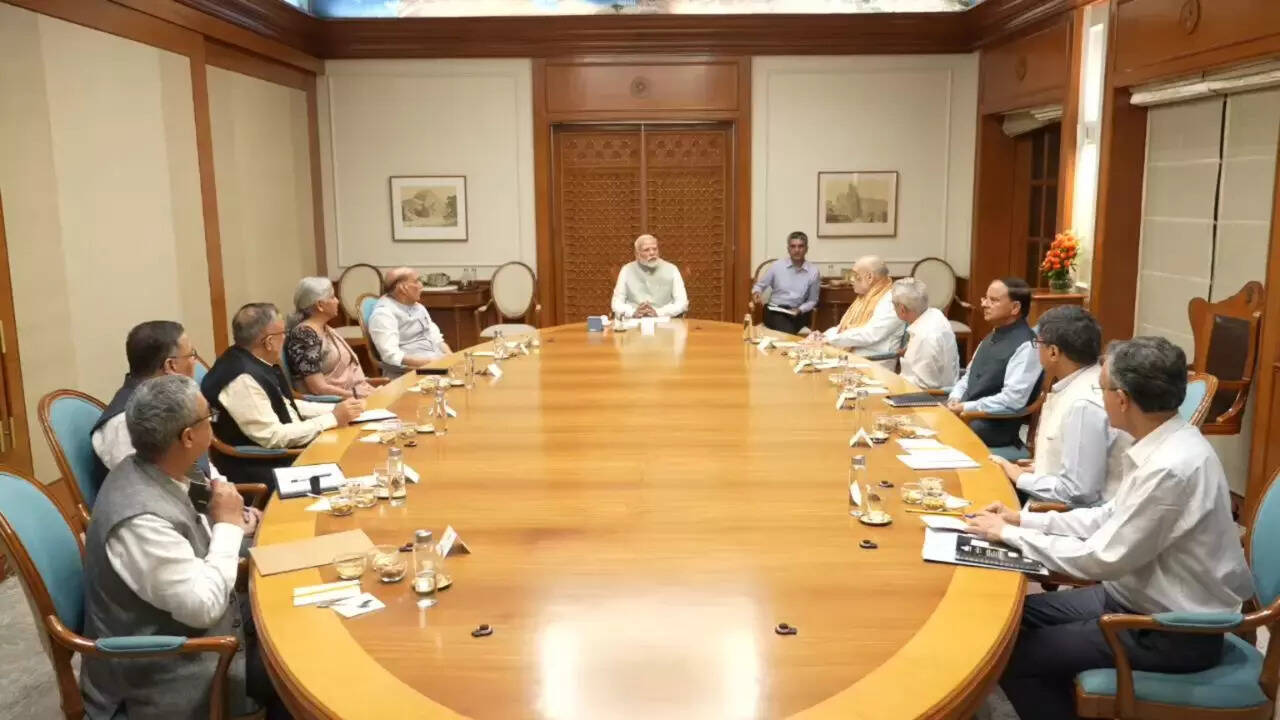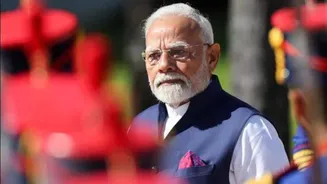





Prime Minister Narendra Modi will chair an extended meeting of the Cabinet Committee on Security (CCS) at 7 pm on Wednesday to review the evolving situation in West Asia and its potential implications
for India’s energy security, supply chains and overall macro-economic stability.
The meeting comes within days of the previous CCS review held on March 22, where the government conducted a detailed assessment of the availability of essential commodities and critical sectors likely to be impacted by the ongoing conflict in West Asia.
The CCS, the country’s highest decision-making body on national security and strategic matters, is headed by the Prime Minister and includes Defence Minister Rajnath Singh, Home Minister Amit Shah, Finance Minister Nirmala Sitharaman and External Affairs Minister S Jaishankar.
Several senior ministers handling key economic and infrastructure portfolios are also expected to attend the meeting, similar to the March 22 review, which included ministers responsible for agriculture, commerce, railways, shipping, petroleum, power, food and civil aviation.
GOVERNMENT REVIEWED THE IMPACT ON ESSENTIAL SUPPLIES EARLIER
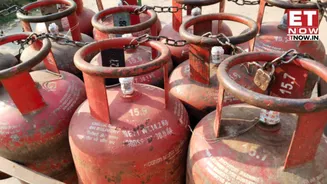
During the March 22 CCS meeting, the government reviewed the availability of critical needs of citizens, including food, fertilisers, fuel and power, in view of the evolving global situation.
Prime Minister Modi had directed that a group of ministers and secretaries work in a coordinated, whole-of-government approach to address the effects of the West Asia conflict.
“The ongoing conflict in West Asia will have significant short, medium and long-term impact on the global economy and its effect on India was assessed, and counter-measures, both immediate and long-term, were discussed,” an official statement issued after the meeting had stated.
The meeting also assessed the availability of fertilisers for the upcoming kharif season and examined alternative import sources to ensure continued supply in the future.
Coal stocks at power plants and the need to maintain an uninterrupted electricity supply were also reviewed.
The government also examined diversification of import sources for sectors such as chemicals, pharmaceuticals and petrochemicals, while exploring new export destinations for Indian goods.
ENERGY SECURITY AND GLOBAL SUPPLY CHAIN CONCERNS
The earlier CCS meeting had discussed the impact of the conflict across sectors, including agriculture, petroleum, power, trade, MSMEs, shipping, finance and logistics, with a focus on ensuring stable supply chains and preventing disruptions.
The Prime Minister had stressed that the conflict is an evolving global situation and emphasised the need for coordinated efforts to safeguard citizens from its impact.
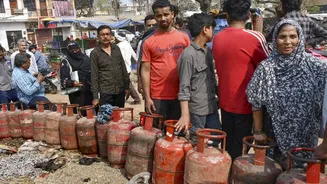
He had also instructed authorities to ensure coordination with state governments to prevent hoarding or black marketing of essential commodities.
Cabinet Secretary TV Somanathan had made a detailed presentation on the global situation and mitigation measures planned by various ministries.
PM FLAGS GLOBAL ENERGY CHALLENGES
On March 31, Prime Minister Modi said that despite global difficulties related to fuel and energy supplies due to the West Asia conflict, India has managed to keep the situation under control through effective foreign policy and unity among citizens.
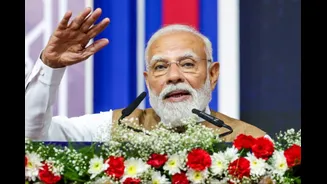
“The situation unfolding in West Asia is having repercussions across the entire world. Difficulties regarding energy requirements, specifically diesel, petrol, and gas, have escalated globally. Yet, even amidst such a crisis, India has successfully kept the situation under control,” the Prime Minister said while addressing a public gathering in Gujarat.
He also alleged that the opposition Congress party was attempting to create fear among the public regarding the economic impact of the conflict.
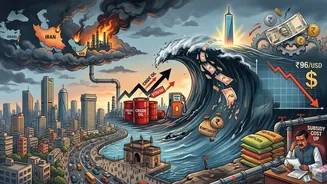
Meanwhile, Leader of Opposition Rahul Gandhi warned of a potential “financial earthquake” arising from rising fuel prices and inflation linked to the ongoing crisis.
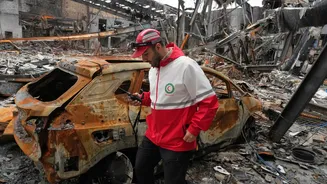
The West Asia conflict escalated following the February 28 strike on Iranian territory by the United States and Israel, which triggered retaliatory action from Tehran.
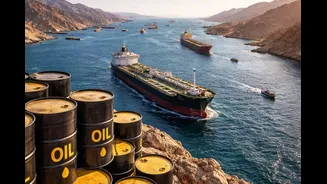
The conflict has affected global energy markets, particularly due to disruptions linked to the Strait of Hormuz, a key shipping route for global oil supplies.
Since the crisis began, the Prime Minister has held discussions with several global leaders to assess developments and mitigate potential economic impact on India.