




Every city woman knows the pattern: glossy, bouncy hair one day, limp and lifeless the next. Between traffic fumes, construction dust, humidity, and seasonal smog, pollution has quietly become one of the biggest
stressors for hair and scalp health. These fine airborne particles don’t simply hover around us. They settle on the scalp, clog follicles, disrupt oil balance, and weaken hair at the root. Over time, the damage shows up as frizz, breakage, dullness, and even hair fall.
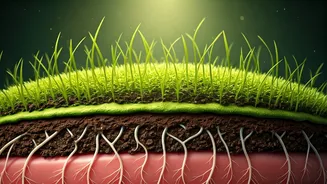
“The scalp is an extension of your skin, and it’s the foundation of healthy hair. When pollutants, oil, and sweat build up, they clog follicles, inflame the scalp, and weaken the barrier that supports growth. The result is hair that feels lifeless, frizzy, and prone to breakage,” explains Dr Geetika Mittal Gupta, aesthetic dermatologist and founder of ISAAC Luxe.
Why Scalp Health Can’t Be Ignored
Scalp care is often overlooked in conversations about pollution and beauty. Shawn Lim, Head of Beauty Research at Dyson, points out that maintaining balance at the scalp is essential to preserving hair quality. “Maintaining a balanced scalp environment, is essential to preserving your hair’s natural texture, shine, and resilience,” he explains.
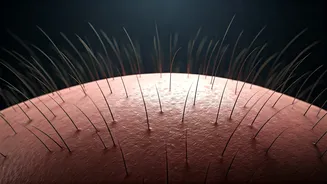
He further adds, “The scalp has approximately 1,00,000 hair follicles and sebaceous glands and keeping it healthy plays an important role in helping hair strands look and feel their best.” City living, however, exposes the scalp to pollution, sweat, humidity, and styling residue – making regular cleansing and hydration non-negotiable.
Dr Geetika agrees, noting, “We often think of pollution as affecting our lungs or skin, but it has a direct impact on the scalp too. It can lead to dandruff and other problems such as an itchy, bumpy and oily scalp. If left untreated, inflammation of the scalp can affect hair loss and retention.”
Cleansing Away The City
Urban smog traps microscopic pollutants that cling to the scalp and hair cuticle, leaving strands dry, dull, and brittle. Over time, these particles can penetrate the scalp surface, causing irritation and altering the hair’s natural oil balance.
According to Shawn, “Key symptoms of an unhealthy scalp to watch out for include itchiness, irritation and dryness. Scalp issues are also linked to rough hair, reduced shine and hair breakage.”
Dr Geetika recommends timely cleansing, especially after high-exposure days. “Wash your hair regularly, especially after high exposure days. Gentle cleansing removes pollutants before they can oxidise or block follicles. Follow it with a lightweight conditioner or serum that seals in moisture and adds a layer of protection.”
Style Smarter, Not Hotter
Heat styling can amplify pollution-related damage, worsening dryness and scalp sensitivity. Tools that regulate temperature can make a noticeable difference. Dyson’s Supersonic Nural dryer is designed for fast, intelligent drying with no heat damage, helping maintain scalp comfort and hair shine.
“With pollution causing so much issues across the nation where the scalp is already inflamed, it’s important to avoid additional stress from hot tools,” says Dr Geetika.
Build A Scalp-First Ritual
Think of scalp care the way you think of skincare. “Using hair care treatments filled with natural ingredients and antioxidants will help keep your scalp and hair clean and protected against the effects of oxidative stress. “Active ingredients in hair care products reduce oxidative stress and rebalance microbes, helping to maintain the scalp in the healthiest condition,” explains Shawn.
Dr Geetika suggests weekly gentle exfoliation followed by nourishing serums. “Antioxidants like green tea, niacinamide, and vitamin E protect against pollution-induced inflammation, while hydrating ingredients like hyaluronic acid and peptides strengthen the scalp barrier,” she says.
Pollution may be an unavoidable part of urban life, but hair damage doesn’t have to be. With mindful cleansing, scalp-focused care, intelligent styling tools, and consistent nutrition, city women can protect their hair from environmental stressors. In a polluted world, healthy hair starts at the scalp and thrives with science, technology, and a little daily discipline.