



The 2026 FIFA World Cup won’t just feature a record 48 teams. It will also arrive with one of the most significant rule shake-ups in modern football.
The International Football Association Board (IFAB)
has approved a series of changes aimed at speeding up matches, reducing gamesmanship and giving Video Assistant Referees greater influence over key decisions. The new regulations will come into effect for next summer’s tournament across the United States, Mexico and Canada.
VAR Gets Bigger Role
The headline change is an expansion of VAR’s powers.
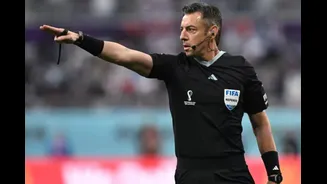
Officials will now be able to intervene in cases involving wrongly-awarded second yellow cards, mistaken identity incidents and incorrectly-awarded corner kicks. VAR can also flag fouls committed before set-pieces are taken, such as attackers illegally blocking defenders before a corner.
If an offence is spotted before play restarts, referees will be directed to the pitchside monitor before deciding whether disciplinary action is required and whether the set-piece should be retaken.
Importantly, VAR can overturn an incorrect second yellow card but cannot recommend one if the referee failed to issue it in the first place.
Tougher Stance On Player Conduct
IFAB has also introduced stricter disciplinary measures.
Players who cover their mouths with their hands, arms or shirts during heated confrontations will now face a red card, although casual conversations between players will not fall under the rule.
Teams that walk off the pitch in protest of officiating decisions risk automatic forfeiture, while players and officials who encourage such actions can also be dismissed.
Countdown Clocks And Faster Substitutions
Time-wasting is firmly in FIFA’s crosshairs.
Referees will use visible five-second countdowns for throw-ins and goal-kicks. Failure to restart play in time could result in possession being handed over or, in the case of delayed goal-kicks, a corner being awarded to the opposition.
Substituted players must now leave the field within 10 seconds using the nearest exit point. If they fail to comply, their replacement will be forced to wait before entering the pitch.
End Of Tactical Injury Timeouts?
FIFA is also attempting to stop teams from using injuries as unofficial timeouts.
Players receiving treatment on the field will generally remain off the pitch for at least one minute after play restarts, while referees have been instructed to prevent entire teams from gathering around coaches during injury stoppages.
“There are captains, there are coaches, so certainly referees will be ready to face something like this if it should happen,” FIFA refereeing chief Pierluigi Collina said.
Hydration Breaks Added
With matches expected to be played in intense summer conditions across North America, FIFA has also approved mandatory three-minute hydration breaks in each half.
Taken together, the changes signal a clear message from football’s lawmakers: less time-wasting, fewer controversies and a faster, cleaner game on the sport’s biggest stage.