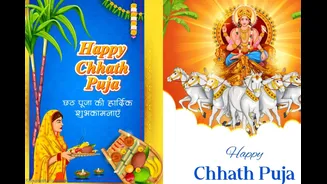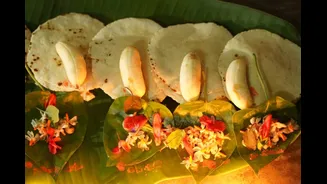




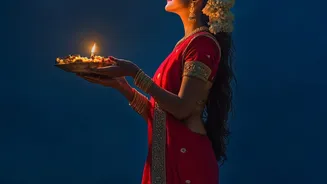

Chhath Puja 2026 Nahay Khay: Chhath Puja 2026 begins today, on Friday, November 13, with Nahay Khay. Observed as the first day of the four-day festival dedicated to Surya Dev (the Sun God) and Chhathi
Maiya, Nahay Khay marks the beginning of spiritual purification, discipline and preparations for the rigorous rituals that follow.
Celebrated with great devotion, particularly in Bihar, Jharkhand, eastern Uttar Pradesh and parts of Nepal, Chhath Puja is one of the most significant Hindu festivals dedicated to the Sun God. During the festival, devotees observe strict fasting rules and offer prayers to the setting and rising Sun.
The term Nahay Khay literally means ‘bathe and eat’. On this day, devotees observing the Chhath vrat take a holy bath, clean their homes and kitchens, and prepare a traditional sattvik meal. The food is prepared with particular attention to cleanliness and purity, as it marks the beginning of the four-day observance.
Read More: Chhath Puja 2026: Why Devotees Worship The Setting And Rising Sun
According to the Drik Panchang calendar, Nahay Khay falls on November 13, 2026. Here is everything to know about the first day of Chhath Puja, including its rituals, traditional food, puja vidhi and important rules.
- Nahay Khay Date: Friday, November 13, 2026.
- Tithi: Kartik Shukla Chaturthi.
- Sunrise: 6:42 AM IST
- Sunset: 5:28 PM IST
Chhath Puja 2026: Four-Day Festival Schedule
The four-day Chhath Puja festival will be observed from November 13 to November 16, 2026.
- November 13, Friday – Nahay Khay: Devotees take a holy bath, clean their homes and prepare the traditional sattvik meal.
- November 14, Saturday – Lohanda and Kharna: Devotees observe a day-long fast and break it after sunset with Kharna prasad.
- November 15, Sunday – Sandhya Arghya: Devotees offer Arghya to the setting Sun while standing in water.
- November 16, Monday – Usha Arghya and Parana: Devotees offer prayers to the rising Sun and conclude the fast.
Read More: Chhath Puja 2026: Date, Calendar, Shashthi Tithi, Sunrise And Sunset Timings
Nahay Khay 2026: Puja Vidhi and Rituals to Follow on Day 1
Nahay Khay is an important preparatory day during Chhath Puja. Devotees follow traditional purification practices and observe dietary discipline before undertaking the more rigorous fasting rituals.
Here are the key rituals followed on the first day:
Holy Bath (Nahay Khay)
The day begins with an early morning bath, traditionally taken in a holy river such as the Ganga. Devotees who cannot visit a river or other natural water body take a bath at home. Some families also use Gangajal as part of their purification practices.
The ritual bath symbolises physical and spiritual cleanliness and prepares devotees for the upcoming Chhath vrat.
Read More: Chhath Puja 2026: Complete Samagri List – What Items Are Required For Worship?
Cleaning the House and Kitchen
Cleanliness is considered especially important during Chhath Puja. Devotees thoroughly clean their homes, kitchens and designated prayer areas before preparing the day’s meal.
The kitchen is given particular attention because food prepared during the festival is traditionally considered sacred and is offered with devotion.
Preparing Clean Cooking Utensils
Utensils used for preparing the Nahay Khay meal are carefully washed and kept separate for festival preparations in many households.
Families may use dedicated cooking vessels and maintain traditional hygiene practices to ensure that the food is prepared in a clean environment.
Observing the Single-Meal Tradition
The person observing the Chhath vrat, commonly known as the vratin or parvaitin, traditionally consumes one simple sattvik meal on Nahay Khay.
The meal is prepared after the purification rituals and prayers. In many families, other members wait until the vratin has eaten before having their own meal.
Read More: Chhath Puja 2026: Who Is Chhathi Maiya? Know The Story, History And Significance
Nahay Khay 2026: Traditional Food and Kaddu Bhaat Thali
Food plays an important role in the Nahay Khay observance. The traditional meal is simple, vegetarian and prepared according to sattvik dietary practices.
Kaddu Bhaat, also known as Lauki Bhaat in some households, is one of the most commonly associated dishes prepared on this day.
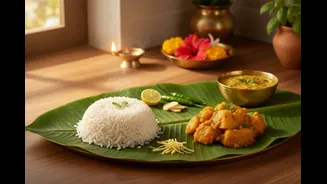
The traditional Nahay Khay thali generally includes:
- Kaddu Bhaat or Lauki Bhaat: Kaddu or bottle gourd is cooked into a simple curry using traditional spices and ingredients. The preparation is kept sattvik and avoids onion and garlic.
- Chana Dal: Chana dal, or split Bengal gram, is prepared as an accompaniment. It is usually cooked simply, with minimal seasoning, according to family traditions.
- Arwa Chawal: Arwa chawal refers to unpolished or raw rice, which is cooked and served alongside the vegetable curry and dal.
- Sendha Namak and Pure Ghee: Rock salt, commonly known as sendha namak, is traditionally used in the meal. Pure ghee is another commonly preferred cooking ingredient. Some families follow their own customs regarding the use of mustard oil.
The combination of Kaddu Bhaat, chana dal and rice forms the traditional Nahay Khay meal in many households observing Chhath Puja.
Read More: Chhath Puja: Are There 4 Types? Know About Kartik, Chaiti And More
Chhath Puja Nahay Khay: Dietary Rules and Precautions
Devotees follow specific food and cleanliness practices on Nahay Khay as part of their preparation for the upcoming fasts.
Here are some important traditional rules:
- Avoid onion and garlic: Food prepared for Nahay Khay is generally sattvik and does not contain onion or garlic.
- No non-vegetarian food: Devotees observing the vrat abstain from meat, fish and other non-vegetarian food.
- Maintain kitchen cleanliness: The cooking area, utensils and ingredients are kept clean throughout the preparation process.
- Use traditional ingredients: Sendha namak, pure ghee and fresh vegetables are commonly preferred.
- Observe dietary discipline: The vratin generally consumes one meal on Nahay Khay and follows the dietary customs prescribed by their family tradition.
Is Nahay Khay the Beginning of the 36-Hour Nirjala Fast?
No. Nahay Khay does not mark the beginning of the rigorous 36-hour nirjala fast associated with Chhath Puja.
The first day is primarily dedicated to purification and preparing for the upcoming observances. On the second day, November 14, devotees observe Kharna, during which they fast through the day and break their fast after sunset by consuming the Kharna prasad.
After Kharna, the strict nirjala vrat begins. Devotees abstain from food and water during the subsequent observance, offering Sandhya Arghya to the setting Sun on November 15 and Usha Arghya to the rising Sun on November 16.
The fast is concluded after the morning Arghya, followed by Parana.
Significance of Nahay Khay During Chhath Puja
Nahay Khay sets the spiritual foundation for the four-day Chhath Puja festival. The rituals of bathing, cleaning and preparing a sattvik meal represent purification, self-discipline and devotion.
The day also brings families together as they participate in cleaning, cooking and preparing for the upcoming rituals. Through these traditional practices, devotees begin their observance with a commitment to cleanliness, faith and discipline.
As Chhath Puja progresses, devotees express their gratitude to Surya Dev and Chhathi Maiya through fasting and offerings made during sunset and sunrise.