








The Election Commission’s Special Intensive Revision (SIR) of electoral rolls in Delhi has flagged more than 33 lakh voters for discrepancies or the inability to link their records with the previous revision,
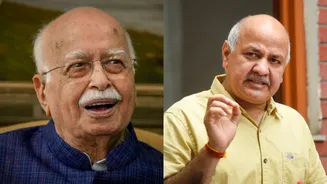
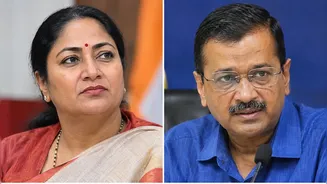
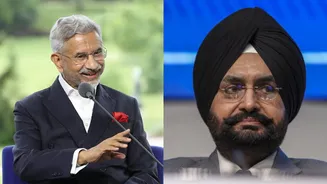
with prominent names such as former deputy prime minister LK Advani, External Affairs Minister S Jaishankar, Delhi Chief Minister Rekha Gupta and former chief minister Arvind Kejriwal also figuring among those issued notices.
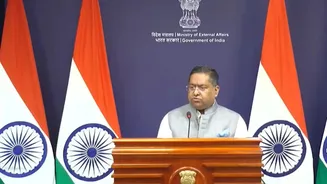
The Delhi Chief Electoral Officer (CEO), however, has clarified that receiving a notice does not mean that a voter’s name will automatically be deleted from the electoral roll. The notices are part of the verification process, and no deletion can take place without giving the elector an opportunity to present their case and issuing a proper, speaking and appealable order.
The draft electoral roll, published on August 31, contains around 97.5 lakh electors. Of these, 33.13 lakh have been identified for notices because their details could not be linked to the previous intensive revision or because the system detected what election officials describe as “logical discrepancies”.
Why Are So Many Voters Receiving Notices?
The biggest category is voters whose current records could not be mapped to the electoral roll prepared during the previous intensive revision in 2002.
ALSO READ | ‘No Existential Crisis’: EC Clarifies After SIR Notices Issued To LK Advani, Rekha Gupta, Kejriwal
According to a Hindustan Times analysis of the notice data published by the Delhi CEO, around 13.8 lakh electors, roughly 42 per cent of those receiving notices, fall in the “unmapped with last SIR” category. This means their current entry could not be linked with a corresponding entry, or a qualifying progeny entry, in the previous revision.
The second major category relates to discrepancies in names.
Around 41 per cent of the notices analysed were linked to name mismatches. These include differences in the voter’s own name as well as discrepancies in the name of a parent. Parent-name mismatches alone account for about 24 per cent of notices, while mismatches in the voter’s own name account for about 17 per cent.
Age-related discrepancies are another significant category, accounting for around 16 per cent of the notices. These include cases where the age difference between a parent and child is considered unusually small or large, a child’s age gap with a parent is less than nine months, or the age difference involving grandparents falls outside the prescribed parameters.
The HT analysis also found around 1.4 lakh electors flagged because they have six or more children, while 182 entries were marked because their parents were considered ineligible in the previous SIR.
ALSO READ | ‘EC Cannot Decide Who Is Citizen’: SC Says Voter Deletion Does Not End Citizenship Status
Not every notice has just one discrepancy. Around 94 per cent of those issued notices have one reason listed, while roughly 4 per cent have multiple reasons. Around 1.28 lakh notices have two reasons, about 9,000 have three and more than 400 have four reasons listed. At the same time, nearly 59,800 notices do not mention a specific reason.
Why Did Advani, Jaishankar Get Notices?
The presence of well-known names on the list has drawn attention to the nature of the SIR exercise.
Advani, his daughter Pratibha and daughter-in-law Geetika were issued notices because their records could not be mapped to the 2002 SIR roll, while his son Jayant cleared the mapping process. Jaishankar and his wife Kyoko were also categorised as “unmapped with last SIR”.
Former Delhi deputy chief minister Manish Sisodia and his family have also received notices. In his wife’s case, the stated discrepancy was a mismatch in her own name, while a discrepancy in the parent’s name was cited in the notice concerning their son.
Other prominent names reported in the notice lists include former vice-president Jagdeep Dhankhar, Election Commissioner SS Sandhu, former Army chief General Upendra Dwivedi, CBI Director Praveen Sood, Foreign Secretary Vikram Misri and former Union minister Kapil Sibal.
Delhi Chief Minister Rekha Gupta and former Delhi CM Arvind Kejriwal have also figured among the electors issued notices. In Gupta’s case, officials subsequently said her details had been physically verified and validated. Her entry has been earmarked for inclusion in the final electoral roll for Shalimar Bagh.
What Does An EC Notice Actually Mean?
The Delhi CEO’s office has specifically sought to distinguish between a notice for verification and deletion from the electoral roll.
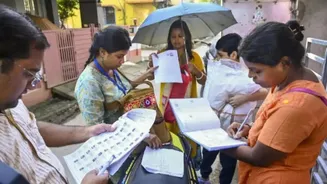
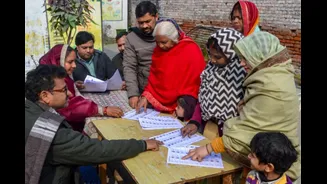
The office said the notices are system-generated and are intended to facilitate correction and verification of data in the ECINET system. A voter who receives one can submit a response and supporting documents before the concerned Electoral Registration Officer (ERO) or Booth Level Officer (BLO).
The CEO’s office has also said the list of documents prescribed by the Election Commission is indicative rather than exhaustive. EROs will consider the documents submitted by voters along with the BLO’s report before taking a decision in individual cases.
In other words, the notice is part of the process through which a flagged entry is examined; it is not itself an order removing the voter.
The CEO’s office said there was “no existential crisis” arising from the notices and reiterated that no name can be deleted without an opportunity of being heard and a proper, appealable order.
What’s Next?
The current exercise is still in the claims and objections stage.
Voters who have received notices are required to submit their responses and relevant documents. The claims and objections process is scheduled to conclude on September 30, while the disposal of the cases is expected to be completed by October 29.
The final electoral roll for Delhi is scheduled to be published on November 4.
The scale of the exercise is significant. The draft roll has around 97.5 lakh electors, compared with about 1.45 crore electors on the rolls as of June 30, a decline of roughly 32.8 per cent. Election authorities have said the SIR is intended to ensure that eligible citizens remain on the rolls while ineligible or duplicate entries are identified.
The notice data also varies considerably across Delhi’s assembly constituencies. An analysis by Hindustan Times found the proportion of electors receiving notices ranged from about 22.7 per cent in Matia Mahal to 44.2 per cent in Badarpur.
For voters, therefore, the immediate significance of the notice is that their electoral-roll details require verification. Whether an entry ultimately remains in the final roll will depend on the documents, verification and due process that follow the notice.