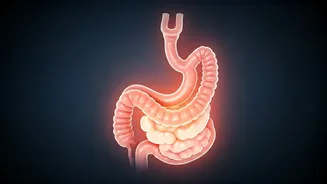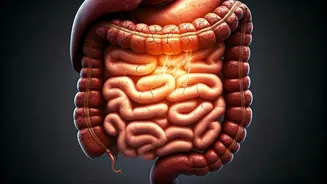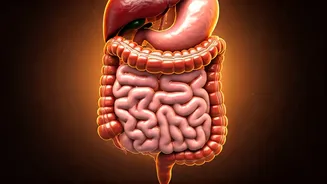

December is celebrated as Constipation Awareness Month, and it is more than just some discomfort. In fact, it is a signal that our body is not functioning properly. Medically, it is defined as when a person
has fewer than three bowel movements in a week or suffers from the passage of hard stools. During the winter, you might find that you are getting constipated more often. It could happen occasionally if your water consumption in winter reduces. However, if you realise this is happening more frequently, it might be a sign to make some changes or visit a medical professional. Dr Aravind Badiger, Technical Director, BDR Pharmaceuticals, shares some lifestyle habits that come together in winter and reduce the motility of the bowel:
Decreased Physiological Activity
Cold weather limits outdoor activities. Walking, running, or simply increasing mobility triggers the intestines and leads to bowel elimination. The less you move the body, the less the transit time in the intestines; that means the food and the waste products stay in the bowel for too long and absorb too much water, causing the formation of hard stools. Exercise has been shown to improve bowel elimination and frequency.
Dehydration due to Lower Perceived Thirst
In winter, the amount of sweat production reduces, and the sensation of thirst may not be the same as it is in summer. But dehydration is one of the major reasons for the onset of constipation. Drinking enough water increases the laxative property of the stool and thus the process of passing the stool. The onset of dehydration reduces the amount of water reabsorbed by the colon, thereby hardening the stool. A minimum of 1.5-2 liters of water is advised, even during winter.
Dietary Changes
The winter diet will also become more nutritious and filling with a higher consumption of carbohydrates and fats, as well as warm and cooked foods, but probably less of fibre-rich raw vegetables and fruits. Soluble and insoluble fibres in the diet help to increase the weight and water content of stools. Inadequate consumption of healthy dietary fibre (25-30 grams per day in adults) can delay the movement of stools.
Seasonal Hormonal and Physiological Cycles
Lower temperatures may stimulate physical adaptations in terms of lower metabolism. Even if direct scientific study in this area is still in its early stages, likely, changes in metabolism due to winter may also lead to lower metabolism in the digestive system.
What You Can Do To Prevent Constipation in Winter
- Remain Active: Engage in indoor activities such as yoga, brisk walking on the treadmill, and weight training. Thirty minutes of daily activity can definitely kickstart digestion.
- Hydrate Regularly: Drinking fluids throughout the day is essential. Hot vegetable soups and herbal teas are the best sources of drink during the cold season.
- Emphasise Fibre: Eat whole grains, legumes, fruits in season (oranges, pears), and vegetables (carrots, spinach). This would ensure a proper bowel movement.
- Mindful Eating: No meal skimping, no excessive calorie loading without the addition of plenty of fiber and fluids.