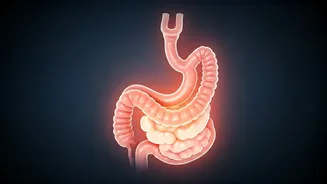

Constipation is described as bowel movements that are irregular (fewer than three per week) and difficulty in evacuating hardened stools or the sensation of evacuation incompleteness that accompanies such
situations. It is one of the most frequent complaints concerning the gastrointestinal tract globally, with 16% of the adult population being constipated.
Though ageing and being female are at a higher risk for constipation, it is not just a problem for older patients. Younger patients and even paediatric cases have experienced symptoms related to contemporary lifestyle and environmental changes.
Dr Aravind Badiger, Technical Director, BDR Pharmaceuticals, shares with us 4 factors that can potentially trigger constipation in people:
Eating Patterns & Fibre Consumption
A diet that is low in fibre and high in processed food or so-called ‘junk food’ is one of the chief causes of constipation. Fibre adds bulk to the stool and speeds up its transit time in the bowel, making it easier to pass the stool. Research has found that those who do not eat enough vegetables and plant fibre tend to be prone to constipation.
In children, a diet high in processed snacks and irregular eating patterns is associated with functional constipation. Improvements in diet-related fibre have been confirmed to reduce difficulties with both the frequency and quality of stool excretion.
Hydration
Adequate fluid is necessary for the maintenance of stool hydration. Poor water intake has been found to be related to increased stool density as well as poor colonic transit. In one community study, individuals consuming less than 1.5 litres of water per day had a significantly higher prevalence of constipation.
Physical Inactivity
Leading a sedentary lifestyle, which has become a reality because of office work and greater use of digital media, contributes negatively to bowel movement. Exercise promotes peristalsis – the rhythmic muscle contractions that move stool through the intestines. Inactivity will therefore potentially lead to a decrease in bowel movement and a higher risk of developing this condition.
Toilet Habits and Stress
With a hectic daily routine, a person may postpone or disregard the need to have a bowel movement, leading to constipation. Psychological stress also impacts the nervous system’s control of bowel activities and can cause a decrease in the speed of bowel movement. In adult life, the risk of constipation has been linked to psychological distress and prolonged sitting, but an active lifestyle and a vegetable-rich diet can lower it.
Here’s how seasonal changes can affect constipation
• Winter: Cold weather can lead to decreased water intake and lower levels of physical activity. It is also known that during winter, people tend to become attracted to higher-weight, low-fibre foods, which can lead to slowed bowels and hard stools. Epidemiological studies have also revealed increased levels of procedures related to winter rather than summer-related cases of constipation.
• Summer: During summer periods, dehydration due to sweating, without accompanying fluid intake, may also increase the risk of having hard stool. Adjusting hydration habits to the season is thus essential.