







If your flight tickets feel unusually expensive this summer, it’s not just seasonal demand at play. A major reason lies thousands of kilometres away, in the ongoing Iran conflict, which is disrupting global
energy markets and pushing up the cost of flying.
From rising airfares to fewer flights and longer routes, the aviation sector is already feeling the heat. And for Indian travellers, the impact is becoming harder to ignore.
Why Flights Are Getting Costlier
The biggest driver is fuel. Jet fuel is the single-largest expense for airlines, accounting for roughly 30-40 per cent of operating costs. When oil prices surge, airlines have little choice but to pass those costs on to passengers.
ALSO READ | Flights At Risk? How The Iran Oil Crisis Could Force Route Cuts And Push Airfares Higher
According to Axios, global oil prices have spiked sharply amid the Iran conflict, with disruptions in supply chains and fears around key shipping routes pushing prices significantly higher. As crude rises, so does Aviation Turbine Fuel (ATF), directly feeding into ticket prices.
Airlines typically respond in three ways to such an increase: Increasing ticket prices, adding fuel surcharges, and cutting less profitable routes. Unfortunately for flyers, all three are now underway globally.
The Chokepoint Behind The Crisis
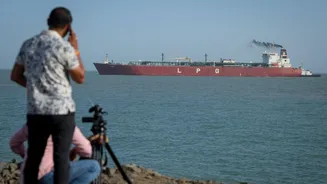
At the centre of the disruption is the Strait of Hormuz, a narrow passage through which nearly one-fifth of the world’s oil supply moves, The Guardian reports.
Any instability here has immediate global consequences as oil supply tightens, prices surge, and fuel-dependent sectors like aviation take the first hit. The Iran conflict has heightened risks in this corridor, creating a ripple effect across global travel.
ALSO READ | Why Flight Tickets Are Getting Costlier: Iran Conflict, Oil Prices And The Ripple Effect On Airfares
In a double whammy for holiday flyers, the problem is not just fuel. Airlines are also being forced to reroute flights to avoid conflict zones in West Asia. This means longer flying times, higher fuel consumption, and reduced aircraft utilisation, resulting in fewer flights on some routes and higher operational costs, both of which push fares up further.
Globally, airlines have already begun adjusting schedules and warning of pricing pressure as the peak summer season begins.
Why This Matters More For Indian Travellers
India is particularly vulnerable to global oil shocks, and aviation is one of the first sectors to reflect that.
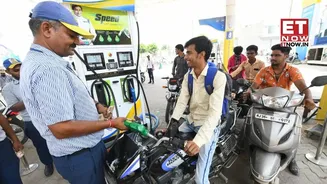
To begin with, India imports the bulk of its crude oil, much of it routed through the Gulf. Any disruption in West Asia feeds directly into domestic fuel prices.
Recent data shows aviation turbine fuel prices for international operations have climbed sharply, with rates in Delhi crossing $1,500 per kilolitre, as reported by NDTV.
While domestic fares are somewhat cushioned due to regulatory controls, international flights are fully exposed to global fuel prices, making overseas travel significantly more expensive.
ALSO READ | Summer Plans Grounded? Here’s How The New Airfare Surcharge Is Changing Your Holiday Budget
The impact is now visible across both domestic and international sectors. On domestic routes, fares from Nagpur to cities like Delhi and Mumbai have risen by around Rs 1,000 within a week, with tickets now ranging between Rs 6,000–Rs 7,500, according to The Times of India. Airlines have introduced fuel surcharges on common routes, for instance, flights such as Delhi-Bengaluru now carry additional charges of Rs 700–Rs 900 depending on distance. Haj pilgrims have faced fare hikes of around Rs 10,000 per ticket, again linked to rising fuel costs, as reported by The Times of India.
On international routes, the impact is even sharper. India-UAE fares have surged due to high demand and constrained capacity and long-haul routes are becoming costlier as airlines grapple with fuel-intensive operations.
Indian carriers are also beginning to adjust supply. Reports cited by The Times of India indicate that airlines may cut or rationalise flights as costs rise. In some cases, this includes trimming less profitable routes or reducing frequency.
Globally and in India, this creates a chain reaction—Fewer flights, fewer available seats, and higher prices per ticket.
The government has taken steps to soften the blow, such as managing domestic fuel pricing, but these measures cannot fully offset global price shocks. As long as crude oil remains elevated, airlines will continue to face cost pressures.
If current trends persist, passengers, especially in India, may see higher international airfares, rising domestic ticket prices, fuel surcharges becoming standard, fewer direct flight options, and longer travel times due to rerouting. Long-haul routes to Europe and the US, along with Gulf routes, are likely to be the most affected.
Clearly, this summer, the cost of travel isn’t just about demand but about geopolitics shaping the price of every seat.