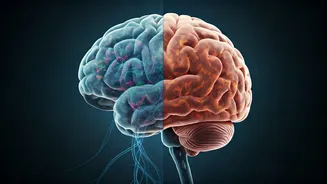








Finding it difficult to put your thoughts into words? You might be experiencing “brain fog.” It’s a commonly used term to describe a set of symptoms that affect your ability to think clearly.
Brain fog
is not a medical diagnosis in itself, but rather a symptom. When your brain feels foggy, you may experience forgetfulness, mental sluggishness, low energy, haziness, difficulty concentrating, a sense of disconnection, or frequent zoning out. These symptoms can significantly interfere with your cognitive function and daily productivity.
Brain fog may occur due to certain medical conditions or lifestyle factors. It is often associated with underlying conditions such as thyroid disorders, multiple sclerosis, rheumatoid arthritis, low blood sugar, or mental health conditions like depression and anxiety.
Dr Naeem Sadiq, Medical Director, Plexus Neuro Center, shares key neurological insights:
Microbiome Imbalance Affects Both Gut and Brain
Your gut contains trillions of microorganisms that communicate with your brain through the vagus nerve and various chemical signals. When harmful bacteria outnumber beneficial ones, it triggers inflammation in the body. This inflammation can impair brain function, leading to symptoms such as poor concentration, slow thinking, memory issues, and brain fog.
Restoring gut health often helps improve mental clarity and cognitive performance.
Slowed Synaptic Signalling Leads to Slower Thinking
Synapses are junctions where brain cells communicate with each other. When synaptic signalling slows down, brain processing becomes less efficient, similar to traffic congestion on a highway.
This slowdown can be caused by neurotoxins such as mycotoxins (toxic substances produced by mould), heavy metals, and inflammatory compounds originating from gut bacteria. These toxins can enter the brain, damage nerve cells, increase oxidative stress, and weaken the blood–brain barrier.
As a result, individuals may experience mental fatigue, poor focus, and persistent brain fog, symptoms that cannot be resolved through medication alone if the root cause remains unaddressed.
Brain Fog Is a Biological Warning Sign
Brain fog is your body’s signal that underlying physiological imbalances need attention, not just mindset changes.
Certain lifestyle measures can help support brain health and cognitive clarity, including:
Eating a fibre-rich diet to support gut health
Drinking adequate water to help flush out toxins
Sleeping 7–8 hours to allow proper brain recovery
Consuming Omega-3-rich foods to support neuronal function
Addressing these root causes can help restore mental clarity and improve overall neurological function.