








With the West Bengal Assembly Elections scheduled between April 23 and April 29, concerns around farmer distress and rural economic pressure are increasingly coming into discussion across the state.
Ground
reports from key agricultural regions suggest that despite strong output, many farmers are struggling to secure fair prices.
Bumper Harvest, But Farmers Report Distress Sales
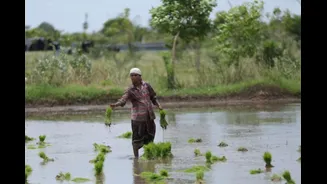
A bumper potato crop this season has reportedly triggered distress sales across several districts of south Bengal.
Farmers in Hooghly, Bankura, Burdwan and Nadia are reportedly selling the popular Jyoti variety at just Rs4–5 per kg.
Many farmers say they are offloading produce at low prices due to a lack of storage options and fear of unsold stock piling up during peak harvesting.
Farm Prices Crash, But Retail Rates Stay Elevated
Even as farm-gate prices have fallen sharply, potatoes continue to retail at Rs14–19 per kg in Kolkata.
The wide price gap has reportedly been linked to a long chain of intermediaries, locally known as phoreys, who play a dominant role in the supply chain.
Farmers say that while consumers pay higher prices, their own earnings remain squeezed.
Record Production Adds To Pressure
West Bengal’s potato production is estimated at around 1.5 crore tonnes this season, with some trade estimates suggesting output could reportedly cross 1.7 crore tonnes by April-end.
However, annual consumption in the state is only about 60 lakh tonnes, creating a significant surplus.
The state has nearly 580 cold storages with a total capacity of around 75 lakh tonnes, which industry representatives say may not be sufficient to absorb the excess supply.
This imbalance is reportedly forcing farmers to sell quickly, often at lower prices, while also raising the risk of spoilage.
Rural Economy Under Strain
The potato crisis is being seen as part of a wider pattern of rural distress.
Farmers are reportedly dealing with:
Fluctuating market prices
Rising input costs
Limited storage infrastructure
Dependence on intermediaries
For many small farmers, higher production is not translating into better incomes.
A Growing Concern Ahead Of Polls
With voting set to begin later this month, farmer distress and rural challenges are increasingly being seen as important issues on the ground.
Discussions are likely to centre around improving price realisation, expanding storage capacity, and strengthening direct market access for farmers.