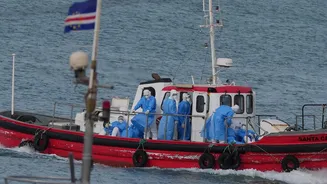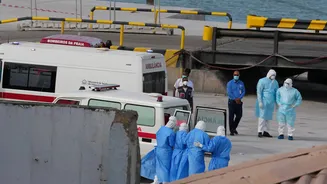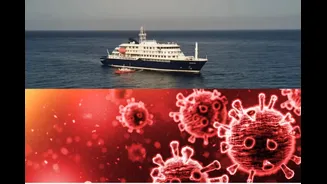

A suspected hantavirus outbreak aboard a cruise ship in the Atlantic has sparked international concern after health authorities, including the World Health Organization, have confirmed that at least three
people connected to the outbreak have died, while several others fell ill as the vessel remained stranded off the coast of Cape Verde during ongoing investigations.
The luxury expedition ship MV Hondius, carrying nearly 150 passengers and crew, departed from Ushuaia in southern Argentina on 1 April. It visited remote locations including parts of Antarctica and the Atlantic islands of Tristan da Cunha and Saint Helena before the outbreak became apparent. The cases involve the Andes strain of hantavirus — one of the few variants known to spread from person to person, albeit rarely and only through very close contact.
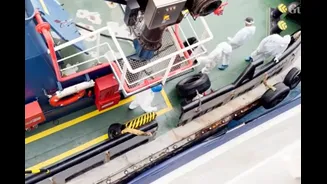
On Wednesday, three passengers (two with acute symptoms and one possibly infected) were evacuated and transferred to specialised hospitals in Europe. The ship, which had been held off Cape Verde, is now en route to Tenerife in the Canary Islands for a full epidemiological investigation and disinfection.
What is Hantavirus and How Does It Spread?
Hantavirus is typically transmitted to humans through contact with infected rodents — usually by inhaling airborne particles from their urine, droppings, or saliva. It is not easily passed between people. The Andes strain is an exception, capable of limited human-to-human transmission, but only in cases of very close, prolonged contact such as sharing a bed or providing intimate care.
Symptoms often begin like a severe flu — fever, fatigue, muscle aches, and headaches but can rapidly progress to hantavirus pulmonary syndrome, which affects the lungs and can become life-threatening. There is no specific treatment, and early medical support is critical.
Should You Be Worried?
Health authorities, including the WHO and the US Centers for Disease Control and Prevention (CDC), have consistently emphasised that the risk to the general public remains extremely low. This outbreak appears contained to the specific group on the ship, with no evidence of community spread.
Maria Van Kerkhove of the WHO has stressed that transmission differs markedly from Covid-19 or influenza, requiring very close physical contact rather than casual proximity. Passengers on board have been advised to maintain distancing, wear masks, and practise good hygiene, and many report the atmosphere remains calm.
For the average traveller or UK resident with no connection to the ship, the chance of exposure is negligible. Hantavirus infections are rare worldwide and usually linked to specific environmental contact with rodents rather than person-to-person spread.
Why Cruise Ships Raise Unique Health Concerns
Cruise ships naturally create anxiety during infectious outbreaks because of their enclosed environment and shared facilities. The memories of pandemic-era cruise quarantines still linger strongly for many travellers.
However, health experts note that hantavirus behaves very differently from airborne respiratory viruses. Transmission usually requires prolonged or close exposure rather than brief contact.
On one hand, the situation is serious for those directly affected. On the other, there is currently no evidence suggesting widespread community transmission beyond the identified cluster.
What Travellers Should Keep In Mind
For now, public health officials are urging awareness rather than alarm.
Travellers heading to rural or wilderness regions are generally advised to avoid contact with rodents, poorly ventilated storage spaces and areas contaminated with animal droppings. Good hygiene and prompt medical attention for unusual flu-like symptoms remain important precautions.
Because while the current outbreak remains rare, it is also a reminder of how interconnected global travel and public health have become.