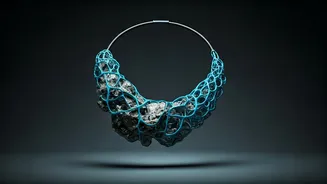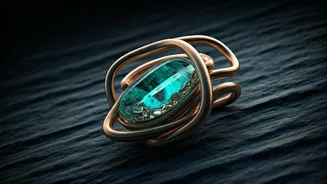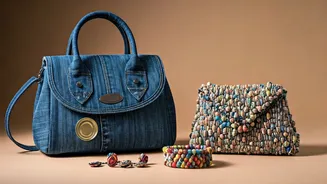





If the world has learned one thing from the several Jurassic Park movies that have come out is that we should not revive them. However, science and discovery are boundaries that people love to push.
This
time around, a group of scientists collaborated with fashion designers to create a one-of-a-kind luxury piece. They have unveiled a leather handbag that has been made with material that is something quite unique – the collagen that has been derived from a Tyrannosaurus Rex fossil. Sixty-six million years after the extinction of the Tyrannosaurus Rex, one of the largest, most ferocious apex predators to ever live, it’s reappearing in an unexpected form. This creation was made with the intention of demonstrating the value of laboratory-grown leather.
The ancient protein fragments extracted from dinosaurs were inserted into an unidentified animal’s cell to produce collagen that was turned into leather.
View this post on Instagram
Collagen is the structural backbone of leather, giving it strength, flexibility, and durability. In the hide, collagen forms a dense network of fibres that can withstand tension and wear while remaining supple enough to bend and stretch. During leather making, the tanning process stabilises and cross‑links these collagen fibres, preventing them from breaking down, shrinking, or hardening when exposed to water or heat. Because collagen is naturally resistant to decomposition and highly compatible with tanning agents, it ensures that the final leather feels soft yet tough, holds its shape, and ages well.
The teal-coloured bag will be displayed on a rock in a cage under a replica of a T. rex at Amsterdam’s Art Zoo museum until May 11, after which it will be auctioned, with a reported starting price of more than half a million dollars (around Rs 5 Crore), reported Reuters.
“There were a lot of technical challenges,” said Thomas Mitchell, CEO of The Organoid Company, one of three companies behind the so-called “T. rex leather” bag.
View this post on Instagram
This is not the first time something like this has been created. Previously, genomic engineering firm Organoid and creative agency VML, the other firms behind this project, have also collaborated in 2023 to create a giant meatball by combining the DNA of a woolly mammoth with sheep cells.
Another instance was of Seamus Blackley, a video game designer and amateur Egyptologist, who successfully baked bread in 2019 using 4,500-year-old yeast dormant in ancient Egyptian pottery. He collaborated and documented the process along with archaeologist Serena Love and microbiologist Richard Bowman. Seamus extracted yeast from Old Kingdom vessels, cultivating a starter for a loaf using ancient barley and einkorn grains.
Che Connon, CEO of Lab‑Grown Leather Ltd., worked on producing the leather for the handbag from the engineered collagen. When asked by Reuters why did they select the T. Rex to make this bag, he said gave the project an extra “oomph”. “It’s not just about a green alternative to leather, it’s a technological upgrade,” Connon said of lab-grown leather.
There have been some scientists who have expressed scepticism about the term “T. rex leather”, as they would have to use genetic material from other animals to create the material.
To these critisim, Thomas Mitchell said, “I would say that when you do something new for the first time, there is always criticism. And I think we’re really grateful for that criticism. It’s the bedrock of scientific exploration … I think this is the closest anyone has gotten and will probably ever get to create something that’s T. rex.”