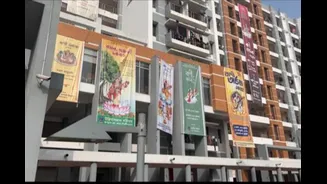

The atmosphere at Dhaka University’s Jagannath Hall presents a jarring contradiction. Upon entering, the eye is immediately met with a riot of colour and festive posters heralding the upcoming Saraswati
Puja . However, this outward display of tradition is where the celebration ends. Beneath the surface, a thick layer of fear and apprehension simmers, casting a shadow over what should be a season of joy.
Securing testimonies from the residents proved a difficult task. Even with categorical assurances that their identities would be protected, the majority refused to speak, silenced by a pervasive “fear factor”. Those few who dared to break the silence described a hall that, while historically a sanctuary for Hindu, Christian, and Buddhist students, now faces a deeply uncertain future. Agasta, a Christian student, noted that while the walls of the hall offer a semblance of safety, the prospect of stepping outside its gates is met with genuine dread.
This sentiment of displacement is echoed by Ashwati Saha, a third-year student who has already begun looking for an exit. She points to the rise of radical elements who have asserted control as the catalyst for recent attacks, admitting that she is desperately seeking a visa to complete her studies in Europe or elsewhere. For others, like music student Sudipta Mazumdar, the situation has drained the passion from his craft. He describes his presence at the university as pointless, driven by the constant worry that these radical elements will eventually cause them physical harm.
These students are, in many ways, “nobody’s children”. Despite having deep, generational roots in Bangladesh, they now find themselves contemplating the painful severance of an umbilical cord that has tied their families to this land for decades. The emotional toll of leaving home is compounded by a complex geopolitical backdrop.
Ahead of the February 12 general elections, Bangladesh Hindu Buddhist Christian Unity Council has said at least 51 cases of violence against minorities were registered in December. The council said the cases against the minorities include 10 murders, 10 cases of theft and robbery, 23 incidents involving the occupation of homes, business establishments, temples, and land, looting, and arson, four cases of arrest and torture on false allegations of religious defamation and being “agents of RAW”, one attempted rape, and three incidents of physical assault. The reports add to growing concerns over the security and rights of minorities in Bangladesh.
Sources indicate that the Indian High Commission is prepared to step in, discreetly conveying to the students that they may apply for visas to continue their education in India. However, New Delhi is treading with extreme caution, wary of the sensitivities surrounding the current situation. This diplomatic delicacy is further complicated by the deteriorating visa relations between the two nations; Bangladesh has halted multi-entry visas, often restricting stays to a maximum of one month. As these powers negotiate a tense political landscape, the students of Jagannath Hall remain in limbo, waiting for a way out of a situation they now describe as a living hell.