


India has issued a heightened health advisory for travellers arriving from several African nations after a fresh Ebola outbreak triggered global concern and prompted stricter surveillance measures worldwide.
In response to a fresh Ebola outbreak in the Democratic Republic of Congo, India has issued a health advisory for passengers arriving from high-risk African countries. The move reflects growing global concern over the spread of the Bundibugyo virus, a rare species of Ebola with no approved vaccines or specific treatments currently available.
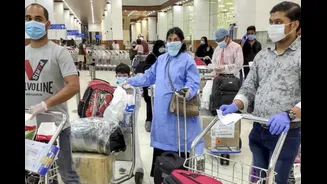
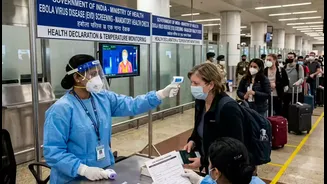
India’s Directorate General of Health Services (DGHS) has directed heightened screening and vigilance at airports for travellers coming from or transiting through affected nations, including the Democratic Republic of Congo, Uganda, and South Sudan, all categorised as high-risk by the World Health Organization (WHO).
India Tightens Airport Surveillance Amid Ebola Concerns
As part of the advisory, airport health officials have been instructed to monitor passengers showing symptoms such as fever, severe headache, vomiting, diarrhoea, unexplained bleeding, muscle pain and fatigue. Travellers arriving from affected regions may also undergo thermal screening and additional health checks at international airports across India.
Passengers have been advised to immediately report symptoms if they develop within 21 days of travel and share their recent travel history with healthcare providers. Health authorities are also maintaining isolation protocols and emergency preparedness measures at designated hospitals.
What Is the Bundibugyo Virus?
The current outbreak has drawn attention because it involves the Bundibugyo strain of Ebola virus disease (EVD), first identified in Uganda in 2007. Unlike the Zaire strain, which has approved vaccines, there are currently no licensed vaccines or targeted antiviral treatments available specifically for the Bundibugyo virus.
The virus belongs to the Ebola family and spreads through direct contact with bodily fluids of infected people or contaminated surfaces. It is not considered an airborne disease, but close physical contact significantly increases transmission risk.
The advisory issued at Delhi International Airport specifically targets passengers arriving from Ebola-affected African nations, including the Democratic Republic of Congo, Uganda and South Sudan, all of which have been identified by the World Health Organization (WHO) as high-risk regions amid the ongoing outbreak.
Travellers arriving from these countries have been urged to remain alert for symptoms associated with the Ebola virus, including:
- Fever
- Severe headache
- Weakness and fatigue
- Vomiting
- Sore throat
- Diarrhoea
- Muscle pain
- Unexplained bleeding or bruising
Health officials have advised passengers to immediately seek medical attention and inform authorities about their travel history if any of these symptoms appear within 21 days of arrival.
Why Global Health Agencies Are Concerned
The latest outbreak in Central Africa has raised alarms among global health agencies because of increasing cross-border movement and healthcare challenges in affected regions. According to reports, several suspected and confirmed infections have already been detected, with fatalities reported in outbreak zones.
The World Health Organization has urged countries to strengthen surveillance, improve public awareness and enhance border health measures to prevent further spread. While WHO has not recommended blanket travel bans, countries are being encouraged to remain vigilant, particularly at airports and border checkpoints.
What Travellers Should Keep In Mind
Health experts advise travellers heading to African nations affected by Ebola to avoid close contact with infected individuals, maintain hand hygiene and stay informed through official travel advisories. Those returning from high-risk countries should monitor symptoms carefully for up to three weeks after arrival.
India’s health ministry has clarified that no Ebola case has been detected in the country so far. However, the latest advisory signals a precautionary approach as authorities aim to strengthen preparedness and prevent any potential public health risk linked to international travel.