




Recent reports have suggested that the US may be encouraging Kurds — a rebel or insurgent group operating near Iran’s western borders — to rise against Tehran to stretch their security resources or potentially
spark unrest in their country.
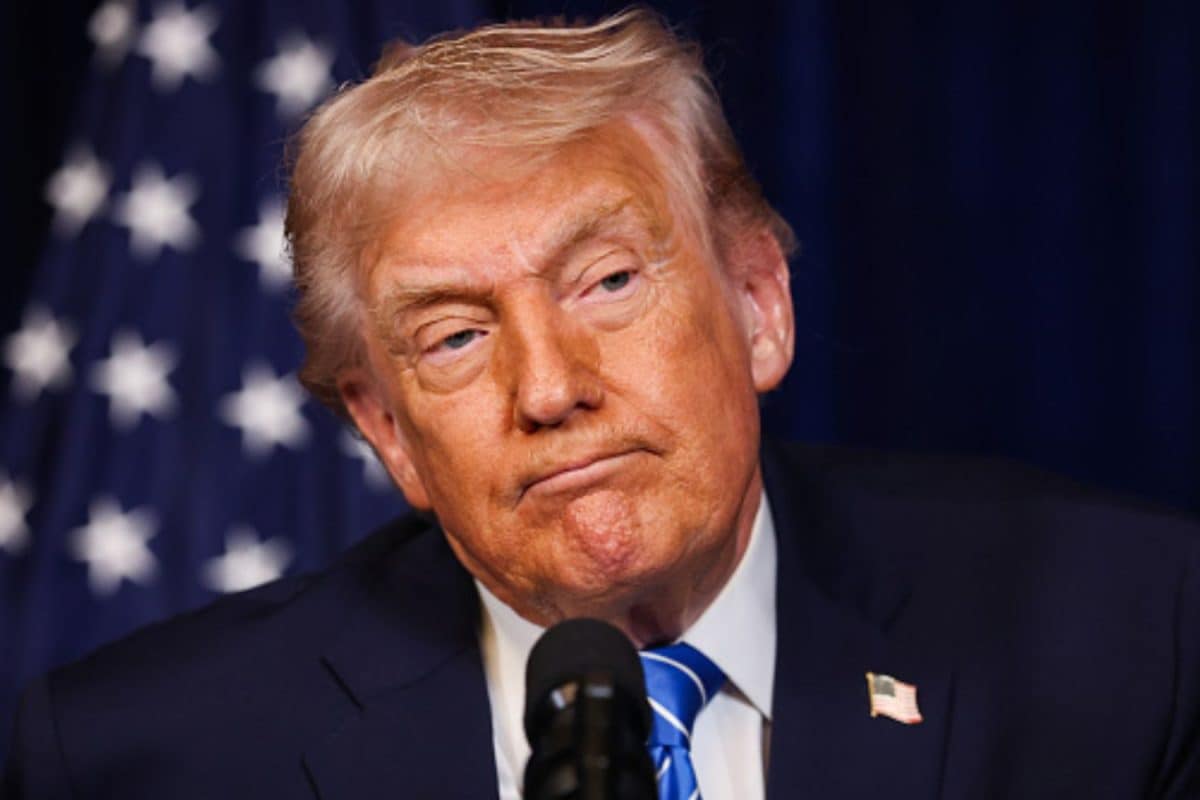
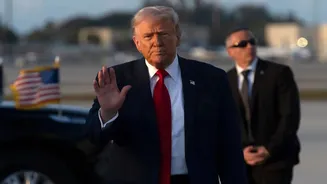
Six days after the US and Israel launched their first strikes, President Donald Trump said of a potential Kurdish military action that “it’s wonderful that they want to do that, I’d be all for it”. But just two days later, he said that he does not want the Kurds to go into Iran…”The war is complicated enough as it is.”
If the US’s strategy were to materialise, it could open a new and complex front in the Iran conflict. It would also highlight one of the Middle East’s most enduring geopolitical challenges — the aspirations and struggles of the Kurdish people across several countries in the region.
Let us understand who the Kurds are, which countries back them, and why they could be important in the Iran war.
Are Kurds Joining The War?
According to a CNN report, the Central Intelligence Agency (CIA) has been working to back the Kurdish forces with military support. Though the CIA has declined to comment directly on the issue, US Secretary of War Pete Hegseth said that “none of our objectives are premised on the support of the arming of any particular force”.
The US has previously trained and financed Kurdish groups in both Iraq and Syria. Reports suggest that the US support could help Kurds achieve their goal of an independent state. But this could be largely transactional.
Both the US and Iranian Kurds need to consider how robust and feasible this partnership could be, as Washington had previously abandoned its Kurdish partners, the Syrian Democratic Forces (SDF), stating their role in combating ISIS had expired.
Analysts say supporting such groups could potentially weaken Tehran internally by forcing Iranian security forces to manage unrest at home while dealing with external pressures abroad.
However, such a strategy would also carry significant risks. Encouraging insurgencies inside Iran could further escalate the conflict and draw more actors into an already volatile regional situation.
Who Are The Kurds?
The Kurds are an ethnic group numbering around 30 million people, spread mainly across Turkey, Iraq, Iran, and Syria. They share a distinct language, culture, and history, but do not have an independent nation-state.
After the collapse of the Ottoman Empire following World War I, many Kurdish leaders hoped for the creation of an independent Kurdish state. However, geopolitical arrangements in the region divided Kurdish populations across several modern states instead.
Since then, Kurdish groups in different countries have pursued varying degrees of autonomy or independence, often leading to tensions with national governments.
In Iraq, the Kurds have achieved the highest level of political autonomy through the Kurdistan Regional Government, which operates with its own parliament and security forces. In Syria, Kurdish groups gained significant influence during the country’s civil war.
In Turkey and Iran, however, Kurdish movements have often faced stricter political and military opposition from central governments.
Which Are The Kurdish Groups In Iran?
Iran is home to an estimated 7 to 15 million Kurds, most of whom live in the country’s northwestern provinces along the border with Iraq and Turkey.
Several Kurdish political organisations have historically challenged Iranian authority in these regions. Among the most prominent are the Democratic Party of Iranian Kurdistan (PDKI) and the Komala movement.
These groups have sought varying forms of Kurdish autonomy and have clashed with Iranian security forces at different points over the past several decades.
Another organisation, the Kurdistan Free Life Party (PJAK), has also carried out armed activities against Iran. PJAK is considered by Tehran to be a militant group and has been involved in periodic confrontations with Iranian forces. PJAK was founded in 2003-2004, and seeks Kurdish autonomy in Iran and is affiliated with the Turkey-based Kurdistan Workers’ Party (PKK).
Many of these groups operate from bases in northern Iraq’s Kurdish region, where mountainous terrain provides strategic shelter and proximity to Iran’s borders.
Why The Kurds Matter In The Current Iran Conflict
Kurdish regions occupy a strategically important position along Iran’s western frontier. Supporting Kurdish opposition forces could potentially create internal pressure on the Iranian government during a period of external confrontation.
According to the Atlantic Council, “In the best/worst case scenario (depending on one’s perspective), it could potentially spark a civil war. If a US- and Israeli-armed offensive is truly underway, it is a devastating blow for Iranians hoping for a political transformation in Iran”.
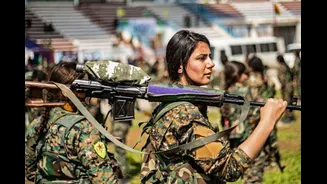
From a military perspective, Kurdish fighters are often experienced in guerrilla warfare and have deep familiarity with the rugged terrain along the Iran-Iraq border. The PKK has conducted a long-term insurgency against Turkey since 1984. The People’s Protection Units (YPG/YPJ) in Syria gained prominence fighting ISIS. Fighters use the Zagros mountains and other rugged terrain to launch swift attacks on border outposts and government forces. This has historically made Kurdish militias difficult adversaries for conventional armies.
For outside powers seeking to exert pressure on Iran, Kurdish groups could therefore represent a potential proxy force capable of opening a new internal front. However, analysts note that Kurdish politics are complex and fragmented. Different Kurdish groups have different goals, alliances, and rivalries, which can complicate any external attempt to mobilise them.
What Are The Risks Of Opening A Kurdish Front?
Backing Kurdish forces against Iran could have far-reaching consequences beyond the immediate conflict.
One major concern is the reaction of neighbouring countries. Turkey, in particular, has long opposed Kurdish separatist movements and has taken military action against Kurdish militant groups it considers a threat. An expanded Kurdish insurgency in Iran could therefore raise fears in Ankara about the spread of Kurdish nationalism across borders.
Iraq could also be affected. Kurdish opposition groups operating from Iraqi territory could draw the country deeper into regional tensions if Iran retaliates against bases across the border.
While creating a “second front” forces Iran to fight on another border, it is unlikely to decisively defeat the regime and could instead lead to a long-term, bloody insurgency.
What It Could Mean For The Wider Middle East
If Kurdish groups become more deeply involved in the Iran conflict, it could complicate an already volatile regional landscape.
Ethnic insurgencies can expand conflicts in unpredictable ways, especially when multiple regional powers have competing interests.
For Iran, Kurdish unrest would represent a domestic security challenge that could divert resources from other fronts. For neighbouring countries, it could revive concerns about separatist movements and cross-border instability.
The situation also underscores a broader pattern in modern conflicts. Wars increasingly involve not only conventional military confrontations but also proxy forces, insurgencies, and internal political pressures.
For countries like India, which maintain strong economic and energy ties with West Asia, developments in the region are closely watched. Instability can affect global oil markets, trade routes, and geopolitical alignments that shape the broader international environment.
Whether Kurdish rebels will ultimately become a significant front in the Iran conflict remains uncertain. But the possibility itself highlights how deeply intertwined ethnic politics and geopolitical rivalries remain in the Middle East.