

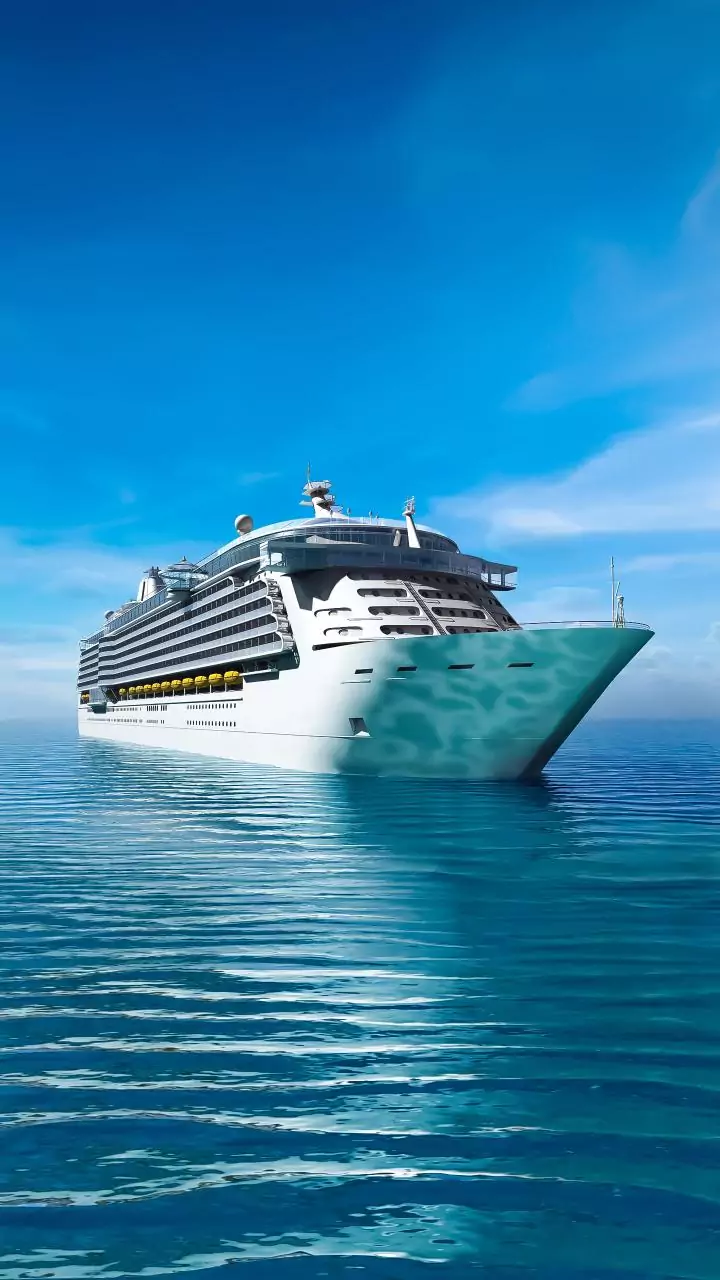





For an industry once nearly paralysed by the Covid-19 pandemic, cruise tourism is proving surprisingly resilient in the face of yet another round of virus headlines.
Over the past few weeks, outbreaks involving
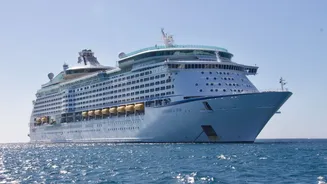
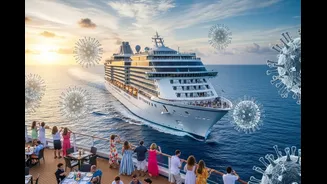
Hantavirus and Norovirus aboard cruise ships have reignited concerns around health safety at sea. Yet industry experts say the incidents are unlikely to significantly slow global demand for cruises, a sector that is currently enjoying one of its strongest rebounds in years.
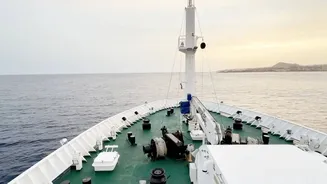
The latest alarm came after three passengers aboard the expedition ship Hondius reportedly died following a hantavirus outbreak linked to a stop in Argentina. Around the same time, a British cruise ship docked in Bordeaux, France, also reported cases of norovirus, a highly contagious stomach infection often associated with closed environments like ships, hotels, and schools.
But despite the headlines, bookings continue to remain strong. “The cruise consumer seems to be somewhat Teflon when it comes to stories like this,” Rob Kwortnik, an associate professor at Cornell University’s Nolan School of Hotel Administration, told the Associated Press.
That attitude appears to be reflected in the numbers. According to the Cruise Lines International Association (CLIA), an estimated 38.3 million passengers are expected to travel on ocean cruises this year, a 4 per cent increase over last year’s record-breaking 37.2 million travellers.
The Cruise Industry’s Covid Shadow
Cruise tourism has long had a complicated relationship with infectious diseases. Long before Covid-19, cruise ships regularly battled outbreaks of stomach bugs like norovirus because of the close-contact nature of life onboard.
However, the image of cruise travel changed dramatically in 2020 after the COVID-19 pandemic turned ships into symbols of isolation and outbreak anxiety. One of the most defining moments came when the Diamond Princess was quarantined off Japan for two weeks after coronavirus cases were detected onboard.
Andrew Coggins, a cruise analyst and professor at Pace University, told AP that the recent hantavirus coverage likely gained traction because it reminded people of that period. “The Covid-19 pandemic devastated the cruise industry,” Coggins said, noting that passenger growth only began recovering meaningfully around 2022. Yet, remarkably, that recovery has accelerated quickly. In India too, In2 Cruises, Asia’s cruise-first digital platform, also believe the Hantavirus has had no impact of cruise tourism in India.
Why Travellers Still Love Cruises
Part of cruising’s resilience lies in its broad appeal. Cruise holidays increasingly attract everyone from retirees to Gen Z travellers seeking all-inclusive vacations, social experiences, and curated itineraries. A recent survey by Bank of America found that millennials and Gen Z respondents were among the most interested in taking cruises over the next year.
Health scares are no longer unusual in tourism. From pandemics and food-poisoning outbreaks to heatwaves and air turbulence fears, travellers are increasingly navigating a world where risk has become part of the vacation economy. Cruise tourism simply magnifies those anxieties because ships operate like floating micro-cities, where viruses can spread quickly in shared dining areas, entertainment venues, and cabins.
As per reports, even companies directly linked to recent outbreaks appear confident that demand will hold steady. Oceanwide Expeditions, which operates the Hondius, has said it does not foresee operational changes following the hantavirus incident. Similarly, Viking recently revealed strong future booking numbers, saying 92 per cent of its 2026 cruises are already booked.
Yet travellers appear to be making a calculated trade-off between risk and experience. It is also important to know to know that many cruise passengers book months (sometimes years) in advance, making last-minute cancellations financially difficult. “If you’re cruising in the next few months, you’re past the point at which you can get your money back,” Coggins told AP.
That financial commitment, combined with growing demand for experiential travel, may explain why outbreaks rarely create long-term damage for the industry.