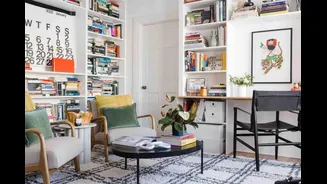







As workplace design evolves in response to changing work cultures, one theme is becoming increasingly clear in 2026: offices can no longer afford to feel cold, generic, or impersonal. Instead, they are
being reimagined as environments that foster creativity, emotional connection, and a sense of belonging. At the heart of this shift is a renewed appreciation for handcrafted furniture, which is helping bring warmth, texture, and meaning back into modern office spaces.
Juhi Sakhuja, Co-Founder and Head of Design, Beyond&More, shares India’s artisanal furniture landscape is undergoing a quiet but powerful transformation. “We are increasingly seeing Indian artisanal furniture finding a modern voice,” she explains, “by blending traditional craft techniques with contemporary forms, sustainable materials, and digital-first business models.”
This evolution is being driven by a new generation of design studios that work closely with artisans, pairing hand skills with digital tools, solid woods with softer, neutral palettes, and local stories with a global design language. The result is furniture that feels both rooted and cosmopolitan, well suited to urban Indian buyers who seek global aesthetics without losing cultural depth.
Brands such as Josmo Studio and Kalaakar exemplify this shift. As Sakhuja notes, these brands are not merely selling furniture, but narratives of sustainability, slow craftsmanship, and cultural continuity. Traditional techniques like carving, caning, inlay, and metalwork are no longer decorative afterthoughts; instead, they quietly power clean lines, sculptural silhouettes, and apartment- and office-friendly proportions. “Craft is no longer about nostalgia,” she adds. “It’s about confident, contemporary minimalism.”
This philosophy is finding strong resonance in workplace design. Sammeer Pakvasa, Managing Director and CEO, Eleganz Interiors Limited, observes that organisations are consciously moving away from uniform, sterile office layouts. “In 2026, workplace design is decisively shifting toward spaces that feel human, intuitive, and emotionally engaging,” he says. “The return of handcrafted furniture is one of the most meaningful expressions of this change.”
As companies rethink how offices support collaboration, wellbeing, and creativity, handcrafted elements are offering what mass-produced furniture often cannot, authenticity. Natural materials, visible craftsmanship, and subtle imperfections bring warmth and tactility to workspaces, helping employees feel more connected to their surroundings. “These pieces make offices feel curated rather than corporate,” Pakvasa explains, adding that this sense of permanence and belonging is increasingly important as employees seek stronger emotional ties to their workplace.
Beyond aesthetics, handcrafted furniture aligns with practical priorities shaping future-ready offices. Durable construction, flexible design, and sustainable sourcing make these pieces both responsible and resilient choices. They support evolving work styles while reinforcing organisational values around longevity and environmental consciousness.
In a time when offices must justify their relevance in a hybrid world, design has become a strategic tool rather than a visual afterthought. By integrating handcrafted furniture, workplaces can transform into environments where people feel valued, inspired, and comfortable spending time. As Sakhuja and Pakvasa’s perspectives reveal, the return of craft is not about looking backward, it’s about designing offices that feel warmer, wiser, and more human for the future.