
Mouth-breathing is often dismissed as a harmless habit or something that happens only during a cold. However, doctors are increasingly observing that chronic mouth-breathing is becoming surprisingly common.
And this is especially among children, adolescents, and working adults. What was once linked mainly to nasal blockages or sleep disorders is now emerging as a quiet lifestyle-related issue with long-term health implications.
Why Are More People Breathing Through Their Mouths?
Modern lifestyles play a significant role. Prolonged screen time, poor posture, increased indoor pollution, allergies, chronic sinus congestion, and constant air-conditioned environments all contribute to nasal dryness and blockage. Dr Archana S, Consultant ENT Surgeon, KIMS Hospitals, Thane, says, “Over time, people subconsciously adapt by breathing through the mouth, even when the nose is structurally capable of normal breathing.”
Stress and anxiety also influence breathing patterns. Shallow, rapid breathing during periods of mental stress often shifts airflow from the nose to the mouth, reinforcing the habit.
Why Mouth-Breathing Matters More Than We Think
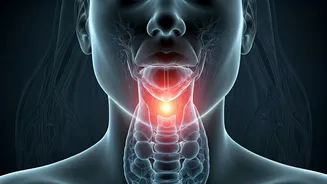
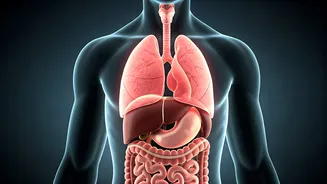
Dr Archana S says, “The nose is designed to filter, warm, and humidify the air before it reaches the lungs. Mouth-breathing bypasses this natural defence system, allowing cold, dry, and unfiltered air to enter the respiratory tract. This can increase susceptibility to throat infections, dry mouth, bad breath, and dental issues such as cavities and gum disease.”
In children, chronic mouth-breathing has been linked to altered facial development, misaligned teeth, and speech issues. In adults, it is increasingly associated with poor sleep quality, snoring, and sleep-disordered breathing.
The Sleep Connection
One of the most concerning consequences of habitual mouth-breathing is its link to sleep problems. Mouth-breathers are more likely to snore and experience fragmented sleep. Over time, this can contribute to fatigue, poor concentration, morning headaches, and even metabolic and cardiovascular issues. Some individuals develop positional or mild obstructive sleep apnoea, where airflow becomes compromised during sleep.
A Lifestyle Problem, Not Just a Medical One
Dr Archana S says, “What makes mouth-breathing particularly concerning is how quietly it develops. Many people are unaware that they breathe through their mouths when they are sleeping or experiencing periods of concentration. The habit becomes normalised, especially in children growing up with allergies or constant nasal congestion.”
Can It Be Corrected?
The good news is that mouth-breathing is often reversible. Identifying underlying causes such as allergies, nasal obstruction, or deviated septum is crucial. Simple measures like improving posture, staying hydrated, managing allergies, practising nasal breathing exercises, and limiting screen time before bed can help retrain breathing patterns.
Mouth-breathing may seem harmless, but when it becomes habitual, it can affect dental health, sleep quality, facial development, and overall well-being. As modern lifestyles continue to alter natural body functions, awareness and early correction of mouth-breathing may prevent it from becoming a true lifestyle epidemic.