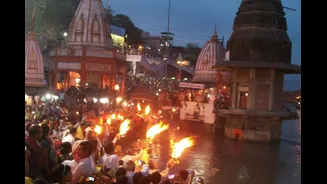






Every year, millions of devotees across India celebrate Ganga Dussehra, a sacred Hindu festival that marks the divine descent of Mother Ganga from heaven to earth. More than just a religious observance,
the day symbolises spiritual cleansing, renewal, and gratitude toward one of India’s most revered rivers. In 2026, Ganga Dussehra will be observed on May 25.
But why is this day considered so powerful, and why is it known as the ‘Mahaaghatarakam’ festival—the one believed to destroy even the gravest sins?
Why Is Ganga Dussehra celebrated?
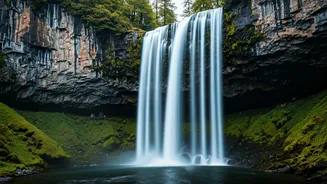
According to Hindu tradition, the river Ganga descended to earth on the Dashami (10th day) of Shukla Paksha in the month of Jyeshtha. It is believed that King Bhagirath brought the river to earth to liberate his ancestors, while Lord Shiva received the powerful flow in his matted locks to soften her descent.
This is why the festival is seen as a sacred union of Shiva, Shakti, and divine grace.
Why Is It Called The ‘Mahaaghatarakam’ festival?
In Hindu scriptures, the river Ganga is believed to have the power to cleanse not just the body, but also the soul.
The word ‘Mahaaghatarakam’ means the destroyer of great sins. Devotees believe that offering prayers, taking a holy dip, or even remembering Mother Ganga on this day can help wash away accumulated negative karma.
It is also believed to purify inner flaws such as jealousy, anger, greed, ego, and attachment, making it a festival of inner cleansing as much as outer purification.
Why Is The Ganga Considered Life-Giving?
Beyond spirituality, the river Ganga has shaped India’s civilisation for centuries. Flowing from Gangotri to Ganga Sagar, the river nourishes millions through agriculture, supports livelihoods, and has historically helped cities, trade routes, and cultures flourish across North India.
The fertile Ganga basin remains one of the most agriculturally productive regions in the world—another reason why the river is revered not just as sacred, but as life-giving.
A Reminder To Protect The Ganga
Ganga Dussehra is not only about worship, but it is also about responsibility. The festival reminds us to preserve the purity and uninterrupted flow of the river Ganga, and to pass on that duty to future generations.
As devotees offer prayers this year, the message remains timeless: if the river survives, so does our heritage, our ecology, and our future.