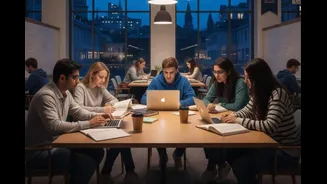



For thousands of Indian students aspiring to study in the United States, the first year of Donald Trump’s second term has delivered an unprecedented setback. Official data shows that enrollment of Indian students in US
universities dropped by nearly 75% within a year, the steepest decline recorded in decades.
Education consultants attribute the sharp fall to a combination of higher visa rejection rates, an acute shortage of interview slots and growing anxiety among applicants. Overseas education firms say that between August and October, traditionally the peak intake period, student movement to the US dropped by nearly 70%.
Many students were unable to secure visa interview appointments in time and were forced to defer or abandon their plans. Those who managed to travel were largely applicants who had completed their paperwork by February or March. “This is the first time we have seen such a dramatic collapse in numbers,” said Arvind Manduva of Hyderabad-based consultancy i20 Fever.
Manduva pointed to tighter visa scrutiny and severely limited interview slots, which discouraged even high-performing students applying to top-ranked US institutions. The fear was so high that many students simply chose to wait, he said.
A large number deferred admissions to the spring intake in the hope of improved conditions, but the situation remained unchanged. In fact, checks became more stringent, with applicants reporting enhanced scrutiny of social media activity as part of the vetting process, further adding to uncertainty.
Students already in the US faced even greater instability. According to US State Department data, around 8,000 student visas were cancelled by December 2025. Several students reported receiving sudden notices informing them that their F-1 status had been terminated, giving them only weeks to leave the country. In many cases, immigration authorities cited past incidents that had previously been resolved.
A 25-year-old Indian student who completed a master’s degree in project management in Boston said his SEVIS clearance was revoked over a speeding ticket from 2024, despite no charges being filed. He later managed to restore his status with legal assistance.
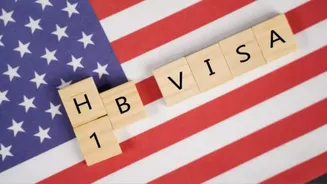
The pressure extended beyond students to working professionals. The H-1B visa programme became a major political flashpoint, with proposals to sharply increase fees, reportedly up to $100,000, and impose tighter caps. About 72% of H-1B holders are Indian nationals, most of them employed in the IT sector.
State Department figures show that nearly 1,00,000 visas across categories were cancelled over the past 12 months, a significant proportion involving Indian citizens. In 2025 alone, around 3,800 people were deported, with Indians accounting for the majority.
The US job market has also grown increasingly uncertain. Companies have delayed onboarding, halted visa transfers and, in some cases, withdrawn job offers. Saif H, a 27-year-old MBA graduate from Texas, said his employment offer was revoked even after completing the interview process.
New social media surveillance rules have further heightened anxiety. Visa holders, including H-1B workers and H-4 dependents, have been advised to keep their social media accounts public for monitoring, with warnings that anti-US posts or criticism of policies could result in visa cancellation or deportation. The Department of Homeland Security has also ended automatic extensions of work permits, forcing individuals to stop working if renewals are delayed.
Indian diplomatic missions have reported a surge in distress calls, while immigration lawyers warn that the uncertainty is unlikely to ease soon. Even long-term residents are reconsidering their future in the country. “We pay taxes and contribute to the system, but we have never felt this insecure,” said Aziz Nooruddin, who has lived in the US for nearly 20 years.