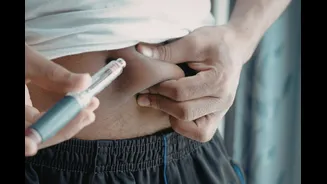







Scroll through social media today, and it’s hard to miss the buzz around rapid weight loss. From celebrity transformations to ‘before-and-after’ reels, drugs like semaglutide and tirzepatide are quickly
becoming the new shortcut to a slimmer body. With patents expiring and generic versions entering the market, these medications are becoming more affordable and widely accessible.
However, as Dr G. Nasiruddin, Consultant, Internal Medicine, Fortis Hospital, Cunningham Road, Bengaluru cautions, “This growing accessibility is also increasing the risk of self-medication, which can be dangerous if not medically supervised.”
This rising availability is likely to fuel a wave of unsupervised use. Much like cosmetic injectables, people are increasingly relying on peer recommendations or online content rather than seeking professional medical advice. “Weight loss medications are not over-the-counter solutions, they are prescription drugs that require careful evaluation before use,” emphasises Dr. Nasiruddin.
Using these medications without proper supervision comes with significant risks. While side effects such as nausea, vomiting, and bloating are common, they can substantially affect daily life. More serious complications, such as pancreatitis, a condition that may require hospitalisation are even more concerning. “Individuals with a history of pancreatic disorders or certain thyroid conditions should avoid these medications, as the risks may outweigh the benefits,” he adds.
What is often overlooked is that these drugs are not intended for individuals seeking to lose a small amount of weight. Their use is based on specific medical criteria, including Body Mass Index (BMI), the presence of type 2 diabetes, and an individual’s overall risk profile. “These medications are prescribed as part of a comprehensive treatment plan, not as shortcuts to instant results,” says Dr Nasiruddin.
Unfortunately, an increasing number of people are turning to these medications for purely cosmetic reasons, such as preparing for a wedding, an event, or to meet certain body image expectations. The desire for rapid results can lead to uninformed decisions, where safety becomes a secondary consideration. As Dr Nasiruddin notes, “Weight loss is a gradual process, and shortcuts often come with hidden costs.”
Another common misconception is that once these medications are initiated, the process is straightforward. In reality, ongoing medical supervision is essential. Doses need to be carefully adjusted, side effects monitored, and associated medical conditions regularly evaluated. “Without proper supervision, the risk of complications increases significantly,” he warns.
That said, when used appropriately and in the right patients, these medications can be truly transformative. Beyond weight reduction, they can improve insulin resistance, optimise blood glucose levels, and reduce long-term cardiovascular risk. “For patients with obesity-related health issues, these drugs can significantly improve quality of life and long-term health outcomes,” explains Dr Nasiruddin.
The message is clear: these drugs are powerful medical tools, not lifestyle accessories. Their rising popularity should not overshadow the importance of responsible use. “A proper medical consultation is not just advisable, it is essential,” he stresses.
In a world chasing quick results, it is worth remembering that health is not a trend. When it comes to weight loss, what works safely is far more important than what works fast.