





For Bengalis, Durga Puja is about more than pandal hopping, new clothes and catching up with friends. It is also about the familiar sounds of dhaak, the smell of incense, the excitement of anjali and,
of course, a plate of steaming hot bhoger khichuri. But if you are spending Pujo away from home this year, you don’t have to miss out on this festive favourite. With a few simple ingredients and a little patience, you can recreate the comforting flavours of bhoger khichuri in your own kitchen.
Why Bhoger Khichuri Is Special During Durga Puja
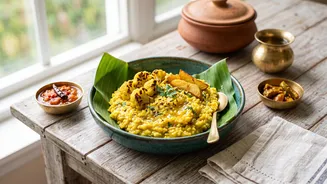
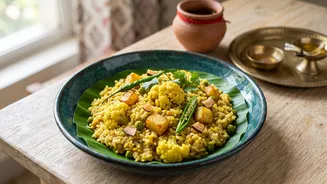
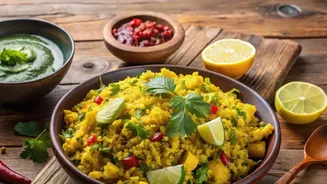
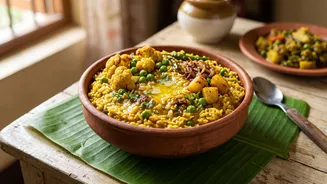
Ask a Bengali what makes Durga Puja feel complete, and food will likely feature somewhere in the answer. Among the many festive dishes, bhoger khichuri holds a special place. Prepared as an offering to Goddess Durga, this humble combination of rice, roasted moong dal, vegetables and fragrant spices is a staple at community pujas across Bengal.
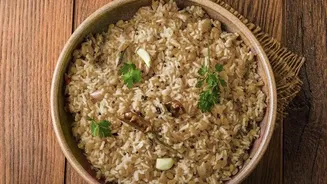
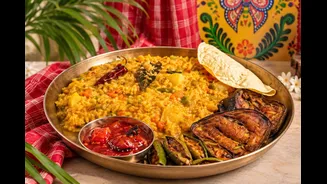
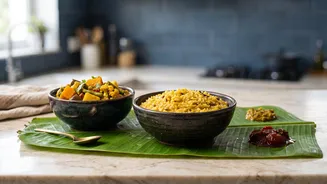
Unlike everyday khichdi, bhoger khichuri has a distinct flavour. Dry-roasted moong dal lends it a nutty aroma, while ghee, ginger and whole spices add warmth. Traditionally prepared without onion or garlic, it is often served with labra (a mixed vegetable curry), beguni (batter-fried brinjal), chutney and payesh.
Every household and puja committee has its own way of preparing the dish, but the comforting taste remains instantly recognisable. And when you are miles away from home, recreating that familiar flavour can make the festivities feel a little closer.
Bhoger Khichuri Recipe: Ingredients You Will Need
This recipe serves 3–4 people.
- 1 cup gobindobhog rice (or another short-grain rice)
- 1 cup yellow moong dal
- 1 medium potato, peeled and cubed
- 1 cup cauliflower florets
- ½ cup green peas (optional)
- 1 tablespoon ginger paste
- 2 tablespoons ghee
- 2 bay leaves
- 1–2 dried red chillies
- 1 teaspoon cumin seeds
- ½ teaspoon turmeric powder
- 1 teaspoon cumin powder
- ½ teaspoon coriander powder
- ½ teaspoon garam masala
- 1 teaspoon sugar, or to taste
- Salt to taste
- 5–6 cups hot water, or as needed
How To Make Bhoger Khichuri At Home
Start by dry-roasting the moong dal in a heavy-bottomed pan over medium heat until it turns light golden and releases a nutty aroma. Stir continuously to prevent the lentils from burning. Remove the dal from the pan, rinse it thoroughly and set it aside. Wash the gobindobhog rice under running water until the water runs relatively clear, then drain it.
Heat the ghee in a large pot and add the bay leaves, dried red chillies and cumin seeds. Let the spices sizzle until fragrant, then add the ginger paste and sauté for a minute. Stir in the turmeric, cumin powder and coriander powder, adding a splash of water if the spices begin to stick to the pan.
Add the cubed potatoes and cauliflower florets to the pot and mix well so they absorb the spices. Cook for a few minutes before adding the green peas, if using. Next, add the drained rice and roasted moong dal. Stir gently for a minute or two, allowing the grains to soak up the flavours of the ghee and spices.
Pour in five cups of hot water and add salt and sugar to taste. Bring the mixture to a boil, then lower the heat and cover the pot partially. Let the khichuri simmer for 25–35 minutes, stirring occasionally to prevent it from sticking to the bottom. Add more hot water if needed to achieve a soft, slightly thick consistency, ensuring that the rice, dal and vegetables cook through.
Once everything is tender, stir in the garam masala and a little extra ghee for added flavour. Let the khichuri rest for a few minutes before serving. Enjoy it hot with labra, beguni, chutney or any of your favourite Bengali festive accompaniments for a comforting Durga Puja meal.