









Ganeshotsav 2026: At Mumbai’s Ganpati pandals, mahaprasad is no longer just about preparing food in large quantities and serving it to thousands of devotees. This Ganeshotsav, the Maharashtra Food and Drug
Administration (FDA), under Chief Tukaram Mundhe, has tightened food safety requirements, bringing greater focus on where ingredients are sourced, how they are prepared and how the food is distributed.
From some of the city’s biggest Ganpati mandals to smaller community celebrations, organisers have been instructed to follow food safety and hygiene norms while preparing and serving mahaprasad. The rules require ingredients to be sourced from registered food business operators, with valid invoices and the necessary food licences, creating a clear trail for the food being served to devotees.
At the heart of the regulations is a simple objective – ensuring that mahaprasad remains safe, hygienic and traceable from the purchase of ingredients to its distribution.
What Has Changed At Mumbai’s Ganpati Pandals?
The FDA has directed mandals preparing mahaprasad to purchase raw materials only from registered and licensed suppliers. Organisers are expected to retain valid invoices and maintain proper records of their purchases.
The requirements apply whether the mahaprasad is prepared directly by a mandal or through an outside supplier.
The FDA has also stressed hygiene throughout the preparation and serving process, particularly because large quantities of food are consumed during Ganeshotsav.
Mahaprasad, along with sweets such as peda and burfi, khoya, mawa, milk and other dairy products, requires careful handling and storage. Poor hygiene or improper storage can increase the risk of food contamination and food-borne illness.
GSB Ganpati Mandal Tightens Its Protocols
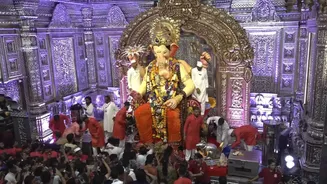
The scale of mahaprasad distribution at Mumbai’s famous GSB Ganpati Mandal highlights why the regulations matter. Around 40,000 devotees partake in mahaprasad at the mandal on a single day.
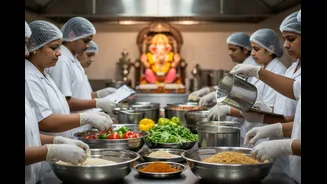
Following the FDA’s directions, the mandal has strengthened its existing food safety procedures. Vijay Kamat, spokesperson for the GSB Ganpati Seva Mandal, said suppliers have been given specific instructions to maintain quality. The mandal is using pure ghee, while volunteers involved in distributing the offering wear caps and follow hygiene protocols.
Kamat said the mandal had always placed importance on food quality but has further tightened its procedures following the latest FDA requirements. It also maintains detailed records and avoids purchasing loose ingredients, he said.
The changes are intended not only to meet regulatory requirements but also to protect the reputation of one of Mumbai’s prominent Ganpati mandals.
Devotees Notice The Difference
The stricter approach has also been welcomed by devotees. One devotee at the GSB mandal praised the quality of the mahaprasad and the organised manner in which it is distributed, pointing to the cleanliness maintained at the venue.
With thousands of people eating food prepared and served at the same venue, devotees say maintaining high standards is particularly important during the festival.
FDA Issues Food Safety Instructions
Ganeshotsav began on Monday, with Ganpati mandals across Mumbai preparing to serve mahaprasad during the festival.
While mandals do not need separate permission simply to prepare mahaprasad, the FDA has instructed organisers to comply with food safety, hygiene and quality requirements.
The key instructions include:
- Buy ingredients only from registered food business operators: Mandals have been asked to source raw materials from registered suppliers and retain valid invoices.
- Keep cooking areas hygienic: Food preparation spaces must be clean and maintained in sanitary conditions.
Use clean and safe utensils: Utensils used for preparing and serving mahaprasad should be clean, covered and suitable for food use. - Avoid damaged produce: Rotten, unripe or damaged fruits should not be used.
- Prepare only what is required: Organisers have been advised against preparing excessive quantities of food.
- Use safe drinking water: Water used in the preparation of mahaprasad must be fit for consumption.
- Protective clothing for volunteers: People handling and distributing food should use protective equipment such as aprons, gloves and caps.
- Food handlers must be healthy: Anyone preparing the prasad should not be suffering from a skin or infectious disease.
Take extra care with dairy products: Khoya, mawa, milk and other dairy items require particular attention during handling and storage. - Maintain proper refrigeration: Milk and dairy products should be stored at 4°C or below.
- Cooperate during inspections: Mandals have been asked to provide the necessary assistance if FDA officials conduct inspections.
Why Dairy Products Need Extra Attention
The FDA has placed particular emphasis on products such as khoya, mawa, milk and other dairy ingredients because they can spoil quickly if they are not stored under appropriate conditions.
During Ganeshotsav, the demand for sweets and dairy-based offerings rises sharply. Maintaining the recommended temperature and ensuring proper handling therefore becomes crucial when large quantities are being prepared for public consumption.
Traceability At The Centre Of FDA Rules
One of the biggest changes under the stricter approach is the emphasis on traceability. By requiring mandals to buy ingredients from registered food businesses and retain invoices, the FDA can establish where food products originated if a quality or safety concern arises.
For organisers, this means food preparation is no longer only about the final product served to devotees. The entire chain – from sourcing and storage to cooking and distribution – needs to meet food safety requirements.
How To Report A Food Quality Complaint
FDA Joint Commissioner Krishna Jaipurkar has urged people to report concerns regarding food quality during the festival.
Complaints can be lodged through the FDA’s toll-free number 1800222365 or through the Maharashtra FDA’s online complaint portal.
With thousands of devotees expected to consume mahaprasad at Mumbai’s Ganpati mandals during Ganeshotsav, the FDA’s message is clear: religious offerings served to the public must also meet basic food safety standards.