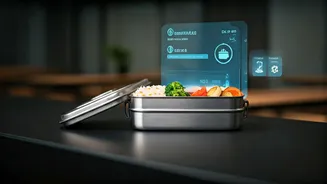






For decades, the office dabba was predictable; packed at home, ordered from a nearby vendor, or picked up from a standard cafeteria menu. It was routine, functional, and rarely exciting. But that’s quietly
changing.
Artificial Intelligence is stepping into workplace dining and it’s not just about tech for the sake of it. It’s reshaping how food is planned, prepared, and experienced during the workday.
From Fixed Meals to Smart Dining
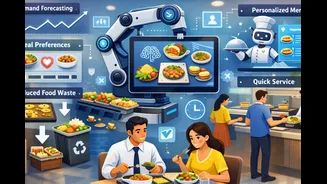
What used to be a one-size-fits-all lunch system is evolving into something far more responsive. Today’s workplace cafeterias are beginning to function like intelligent ecosystems, adapting in real time to employee preferences, consumption patterns, and even peak lunch-hour chaos.
As Sandipan Mitra, CEO & Co-founder, HungerBox, explains, workplace dining is undergoing a subtle but meaningful shift. AI is helping cafeterias predict demand more accurately, allowing kitchens to prepare the right quantity of food and reduce unnecessary waste. At the same time, it’s enabling smoother service during rush hours, something every office-goer can appreciate.
More importantly, these systems are learning from employees themselves. Menus are no longer static; they evolve based on what people actually eat, prefer, and need nutritionally.
Your Lunch, Your Algorithm
The idea of a “fixed lunch” is fast disappearing. Instead, AI is turning office meals into a dynamic, multi-brand experience, closer to how people order food outside work.
Yash Madhani, Head of Growth, Rebel Foods, highlights this shift. According to him, the office meal is no longer just about convenience, it’s becoming a moment of choice and discovery. AI helps decode eating habits across cuisines, times of day, and changing preferences, making it possible to move away from generic menus to something far more personalised.
For employees, this means more control, whether they’re craving comfort food on a stressful day or opting for healthier choices mid-week. And crucially, it all comes with the speed and consistency required in a busy work environment.
The Data Behind Your Plate
Behind the scenes, AI is doing far more than just suggesting meals, it’s fundamentally transforming how kitchens operate.
L. Muralikrishnan, Co-founder & CMO, Wow! Momo Foods Pvt Ltd., points out that workplace dining is becoming deeply data-driven. AI-powered systems provide real-time insights into demand patterns, peak consumption windows, and shifting taste preferences.
For food brands, this translates into smarter production planning and sharper menu optimisation. The goal is simple: serve the right dish, at the right time, every single day—without overproduction or delays.
Why This Matters More Than You Think
At first glance, AI in office cafeterias might sound like a luxury upgrade. But its impact runs deeper.
Less food waste: Kitchens prepare exactly what’s needed
Better nutrition: Meals align with actual dietary preferences
Faster service: Reduced queues during peak hours
Greater variety: More cuisines and options within the same workspace
In a country where both food waste and workplace productivity are critical conversations, this shift feels particularly relevant.
The Future of the Office Lunch
The humble office dabba is no longer just about sustenance, it’s becoming an experience shaped by data, technology, and personal choice.
And while the change may feel subtle today, it’s laying the groundwork for a future where your lunch knows you almost as well as your favourite food delivery app does.
Because in the age of AI, even your 1 pm meal break is getting smarter.