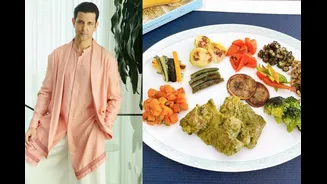

Hrithik Roshan is offering a fresh perspective on dieting, one that focuses less on restriction and more on smart presentation. On January 5, the actor shared a snapshot of his meal on Instagram along
with a simple yet striking message: “New motto. Eat lesser, love better. But make the plate look huge.”
The post quickly caught attention, not just for the food itself, but for the philosophy behind it suggesting that how much we see on our plate can influence how satisfied we feel, regardless of calorie count.
Inside Hrithik Roshan’s “big plate” approach
The meal showcased by Hrithik was a textbook example of what nutritionists often call volume eating. This approach relies on filling up on foods that are high in fibre and water content but relatively low in calories, allowing for generous portions without excess energy intake.
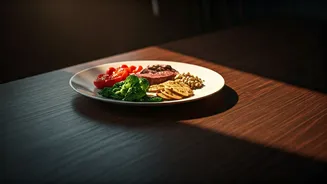
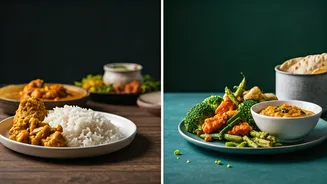
His plate was dominated by colourful vegetables charred Brussels sprouts, sautéed zucchini, bell peppers, lightly roasted broccoli and carrots paired with a portion of lean meat coated in a thick green sauce. By letting vegetables occupy most of the visual space, the meal stayed rich in micronutrients while remaining light on calories.
The result? A plate that looks indulgent and abundant, yet supports satiety and balanced nutrition.
Does “eating lesser” really mean eating less?
At first glance, the phrase eat lesser may sound restrictive. However, nutrition experts suggest that Hrithik Roshan’s interpretation is less about deprivation and more about thoughtful food composition and portion awareness.
According to Edwina Raj, Head of Services, Clinical Nutrition and Dietetics at Aster CMI Hospital, healthy eating is not about drastic cutbacks. She explains that balance not extremes is the foundation of long-term nutrition. A well-rounded plate should contain the right mix of carbohydrates, proteins, fats, fibre, vitamins and minerals to support energy, immunity and metabolic health.
An ideal everyday plate includes:
Carbohydrates: Rice, millets or fruits for sustained energy
Proteins: Dal, eggs, fish or lean meat for muscle repair and immunity
Healthy fats: Small amounts of ghee, nuts and seeds for heart and brain health
Fibre: Plenty of vegetables to aid digestion and stabilise blood sugar
This approach aligns with the broader philosophy advocated by Rujuta Diwekar, who has consistently emphasised that eating enough rather than eating less is key to metabolic balance. Her work highlights that under-eating, skipping meals, or fearing portion size can disrupt hormones, slow metabolism and increase long-term health risks, especially for active individuals.
Why going too small can backfire
While Hrithik’s plate highlights the value of loading up on vegetables, experts caution against taking the idea of “eating less” too literally.
Edwina Raj warns that regularly skipping meals or eating too little can lead to fatigue, nutrient deficiencies and reduced metabolic efficiency. Consistency, she notes, matters far more than perfection. Long-term health depends on respecting hunger signals and choosing whole, home-cooked foods over ultra-processed options.
Both experts also stress that no single diet works for everyone. Factors such as age, activity level, hormonal health and existing medical conditions play a crucial role in determining what and how much a person should eat.
The takeaway
Hrithik Roshan’s “huge plate” philosophy reframes dieting as an exercise in mindfulness rather than restriction. By prioritising fibre-rich vegetables, adequate protein and visual abundance, it’s possible to feel satisfied while still eating sensibly.
In the end, healthy eating isn’t about shrinking meals, it’s about building smarter ones.