








As the West Asia crisis continues to disrupt trade and the economies across several parts of the world, Union Finance Minister Nirmala Sitharaman on Monday urged the citizens to focus on the “3Fs” — fuel,
fertiliser and foreign exchange — to tackle the rising global uncertainty.
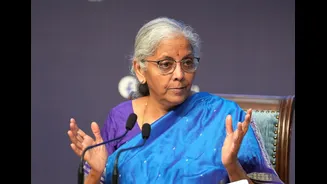
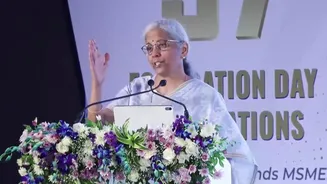
Speaking at the 37th SIDBI Foundation Day programme in Mumbai, Sitharaman said Prime Minister Narendra Modi’s appeal to conserve foreign exchange was “very important” in the current situation.
“Prime Minister giving a call to conserve foreign exchange, as far as possible, is very important,” Sitharaman said, news agency Reuters reported.
FM Stresses Need To Conserve Forex
Explaining the context behind the Prime Minister’s call, the FM said, “It is because of high international crude prices.” “And the high crude prices are ever changing. It’s seriously dynamic. One rate at one point in time, within a week another, within a week another, and so on…” she added.
She said India was facing pressure from three major external factors. “Three Fs, fuel, fertilizer, and foreign exchange. And the foreign exchange is for, in this context, purchase of gold,” ANI reported, quoting the FM.
Rising Crude, Fertiliser, Gold Prices Worry Govt
According to the Finance Minister, rising global prices of crude oil, fertilisers and gold were creating challenges on the external front as all such payments required foreign exchange. “We should please understand the context of these three Fs,” she added.
India has been grappling with rising crude prices and supply disruptions following the closure of the Strait of Hormuz during the US-Israel conflict with Iran. Sitharaman warned that the West Asia crisis could lead to “higher fuel cost, delayed cargo, costlier shipping, shortage of inputs, pressure on working capital, and uncertainty in export orders.”
She said the government’s priority was to “protect citizens, support MSMEs, safeguard exporters, keep supply chains moving, and maintain economic stability.”
Despite external pressures, she maintained that India’s domestic economy remained resilient. “We must also recognize that India’s domestic economic situation remains positive and resilient even today,” she said.