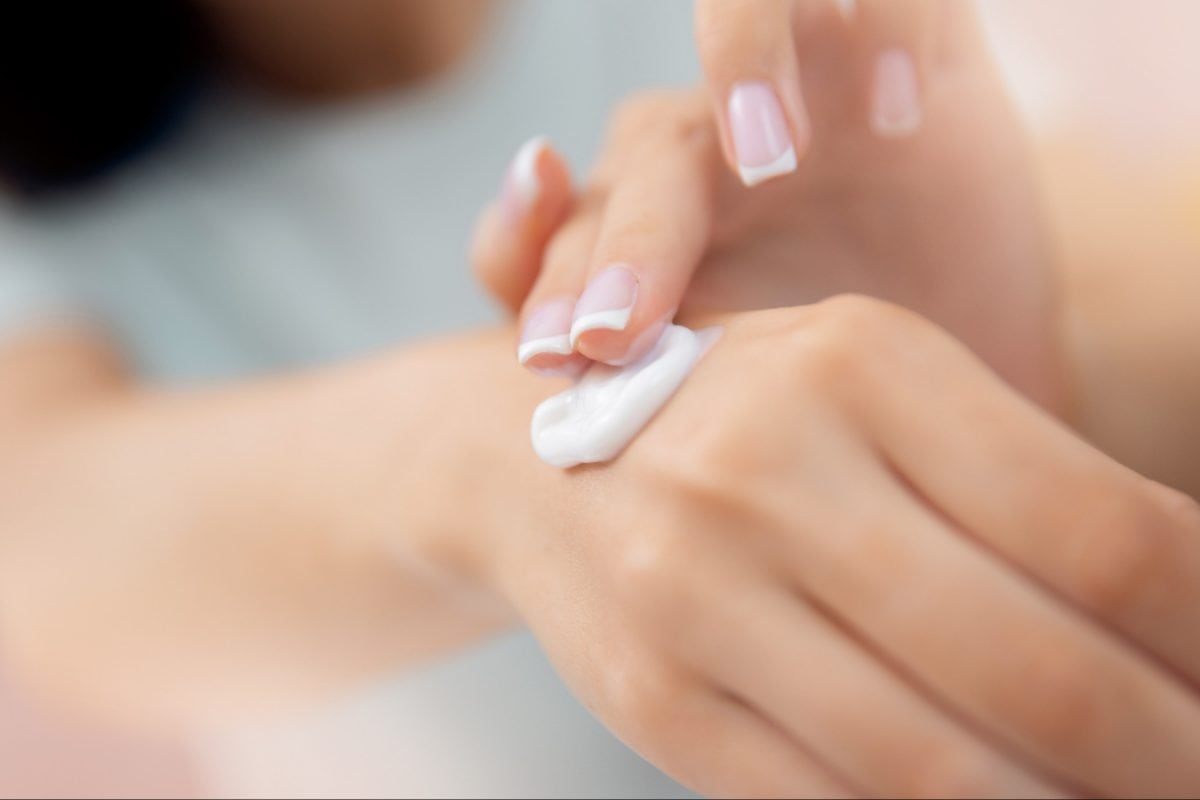

In an era obsessed with instant absorption, feather-light textures, and surface-level radiance, the original meaning of moisturisation has quietly been lost. Skincare shelves are crowded with products
promising hydration in seconds, yet sensitive, inflamed, and chronically dry skin has become more common than ever. This contradiction has prompted a growing return to lipid-rich, nourishment-first skincare that is rooted not in trends, but in ancient wisdom that understood the skin as a living, responsive organ rather than a cosmetic canvas.
Ayurveda’s Original Approach To Skin Nourishment
“In Ayurveda, moisturizing was about nourishment that the skin could actually recognize,” explains Rajni Ohri, Founder of Ohria Ayurveda, adding that traditional ingredients were chosen not for quick absorption but for long-term repair. Ghee and cold-pressed oils, she says, closely mimic the skin’s natural lipids, allowing them to work in harmony with the skin barrier rather than sitting superficially.
Ohri highlights that ghee plays a particularly restorative role. “Ghee soothes sensitivity, promotes barrier healing, and restores glow from within,” she notes, while oils like sesame gradually improve elasticity and resilience. According to her, this approach is especially relevant today, when stress, anxiety, and overexposure have left many with inflamed, reactive skin.
Why Modern Skin Is Craving Old Remedies
Chronic dryness, sensitivity, and irritation are rarely isolated issues. “Dryness and roughness are often caused by the Vata dosha,” Ohri explains, adding that ghee helps balance this imbalance effectively. Revered in Ayurveda as a Rasayana – a rejuvenator that supports vitality and longevity – ghee is described as healing, non-comedogenic, and hypoallergenic, making it suitable even for compromised skin barriers.
The Science Behind Lipid-Led Moisturisation
This ancestral understanding is now being reinforced by modern skin biology. “The skin barrier is inherently lipid-driven,” explains Swagatika Das, CEO & Co-founder of Nat Habit. According to her, the skin relies on fatty acids, ceramides, omegas, and fat-soluble vitamins to repair itself and maintain resilience. Ghee and traditionally extracted oils mirror this lipid structure, making them deeply bioavailable and naturally restorative.
Das points out that the shift away from these ingredients wasn’t accidental. “The pursuit of longer shelf life, faster absorption, and cosmetic elegance pushed nutrient-dense actives out of everyday skincare,” she says. However, Ayurveda always viewed inflammation and dryness as signs of depleted nourishment and not problems to be masked with synthetic occlusives.
Why Hydration Alone Isn’t Enough
Modern moisturisers often focus on water content, but Das stresses that hydration and nourishment are not the same. “True moisturisation is about feeding the skin, reviving cellular vitality, supporting the skin microbiome, and strengthening its natural defence system,” she explains. Freshly prepared Ayurvedic moisturisers, when crafted with scientific precision, deliver this nourishment in a way synthetic alternatives can only imitate.
She also notes a shift in consumer awareness. Today’s skincare users are ingredient-literate and increasingly mindful of what they apply topically. “What heals the body should also heal the skin,” she says, emphasising that the renewed interest in ghee and oils is not nostalgia, but a necessary course correction.
The revival of ghee and oil-based moisturisation signals a deeper shift in how beauty is defined. Instead of chasing fleeting glow, skincare is returning to its original purpose of restoration, resilience, and long-term health. When ancestral wisdom aligns with modern science, the result isn’t outdated; it’s enduring. In respecting biology rather than reinventing it, the future of moisturisation may lie in rediscovering what the skin has always understood.