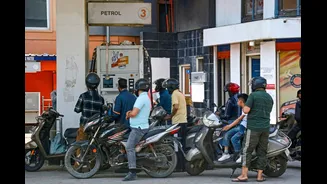









With fuel prices soaring, consumers naturally look for ways to save even a rupee. In recent weeks, viral messages and reels have asserted that refuelling during cooler hours yields more petrol or diesel
because liquids contract at lower temperatures and expand when it is hot. According to this logic, fuel bought in the morning is “denser” and therefore more beneficial than fuel purchased in the afternoon heat.
Scientifically, liquids are indeed temperature-sensitive. When temperatures drop, density increases slightly, and when temperatures rise, liquids expand. Based on this principle, the viral posts claim that petrol bought in the morning delivers more energy per litre than petrol bought later in the day.
However, this theory overlooks how fuel is actually stored and dispensed. At petrol pumps, fuel is kept in underground storage tanks. The surrounding soil acts as a natural insulator, ensuring that the temperature inside these tanks remains almost constant throughout the day.
Experts explain that the temperature variation inside an underground tank is usually less than one degree Celsius over 24 hours. Even with this minor change, the difference in fuel volume amounts to only a few millilitres, less than a spoonful, even when filling a full tank. Such a negligible variation has no real impact on cost or fuel efficiency.
Modern petrol pumps are also equipped with sealed nozzles and vapour recovery systems, which prevent fuel loss due to evaporation, even during peak afternoon heat. This means there is no longer a risk of petrol “evaporating” during daytime refuelling.
Some motorists prefer mornings because queues are shorter and service is faster, while others believe discounts or offers may be available late at night. However, refuelling at a particular time purely to gain from fuel density is considered a misconception.
In India, petrol density is regulated and must fall within the government-mandated range of 730–800 kg/m³. Density meters at fuel stations remain largely stable regardless of the time of day, a fact confirmed by multiple fact-check reports.
Experts advise that while early hours may offer convenience, there is no meaningful financial advantage linked to fuel density. Only in rare cases of extreme heat or cold during fuel delivery could there be a marginal difference, but on average, timing does not affect value.
Fuel should be purchased when needed, not based on the clock. Real savings come from better driving habits and regular vehicle maintenance, not from choosing a specific hour to refuel.