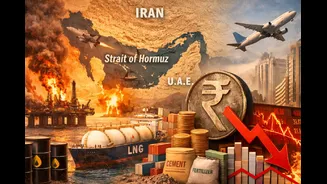










Crude oil prices have once again surged past the $100-per-barrel mark, raising concerns about the potential impact on fuel prices and inflation in India. The last time oil crossed this level was in 2022,
following the Russian invasion of Ukraine, which disrupted global energy supplies and sent oil markets into turmoil.
When crude last crossed $100
In February–March 2022, global benchmark Brent Crude Oil surged above $100 per barrel for the first time since 2014. Prices continued to climb and briefly touched around $139 per barrel in March 2022, marking the highest level in nearly 14 years.
The sharp rise was driven by fears of supply disruptions as sanctions on Russia, one of the world’s largest oil exporters, tightened global energy markets.
Why petrol and diesel did not rise immediately
Despite the surge in global crude prices, petrol and diesel prices in India did not increase immediately.
State-run oil marketing companies such as Indian Oil Corporation, Bharat Petroleum Corporation Limited, and Hindustan Petroleum Corporation Limited kept retail fuel prices largely unchanged for several weeks during the spike.
This price freeze meant that pump prices did not immediately reflect the surge in global oil prices.
Government cut fuel taxes to soften the blow
To ease inflationary pressure, the Government of India announced a reduction in fuel taxes in May 2022.
- Excise duty on petrol was cut by ₹8 per litre
- Excise duty on diesel was reduced by ₹6 per litre
Several state governments also reduced VAT on fuel, helping bring down pump prices for consumers.
Oil companies absorbed heavy losses
While retail prices were kept in check, the decision had financial consequences for oil marketing companies. With crude prices high and retail fuel prices capped, refiners reportedly absorbed significant marketing losses during that period.
These losses occurred because companies were selling petrol and diesel below the cost implied by international crude prices.
Wider economic impact in India
The spike in crude oil prices in 2022 also had broader economic consequences.
Higher oil prices contributed to:
- Rising inflation
- Pressure on India’s current account deficit
- Weakening of the rupee
- Increased subsidy burden for the government
Since fuel costs affect transportation and manufacturing, higher crude prices can ripple through the economy and push up the cost of goods and services.
Why $100 crude is crucial for India
India imports over 85% of its crude oil requirements, making it highly sensitive to global oil price movements.
When crude rises above $100 per barrel, it typically leads to:
- Higher fuel and transport costs
- Rising inflation
- A larger oil import bill
If elevated oil prices persist, policymakers often face a difficult balance between protecting consumers from higher fuel costs and maintaining fiscal stability.
As global energy markets react to the latest geopolitical tensions, the experience of 2022 shows that the impact on petrol and diesel prices in India may depend not only on crude prices but also on government policy decisions and tax adjustments.