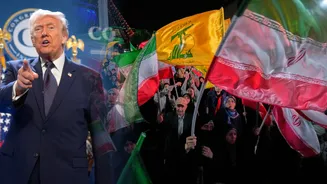









US President Donald Trump on Monday dismissed reports that Washington would pay Iran $300 million under the recently announced US-Iran agreement, while insisting that Tehran had agreed never to acquire
a nuclear weapon.
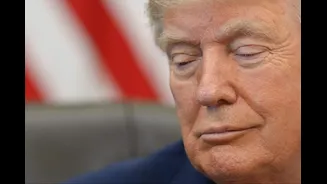
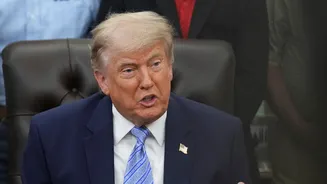
Posting on Truth Social, Trump wrote, “Iran has agreed to never have a Nuclear Weapon! Also, the story that the U.S. is paying Iran 300 million Dollars is Fake News, put out by the Dumocrats!”
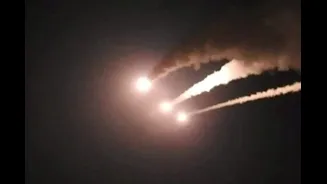
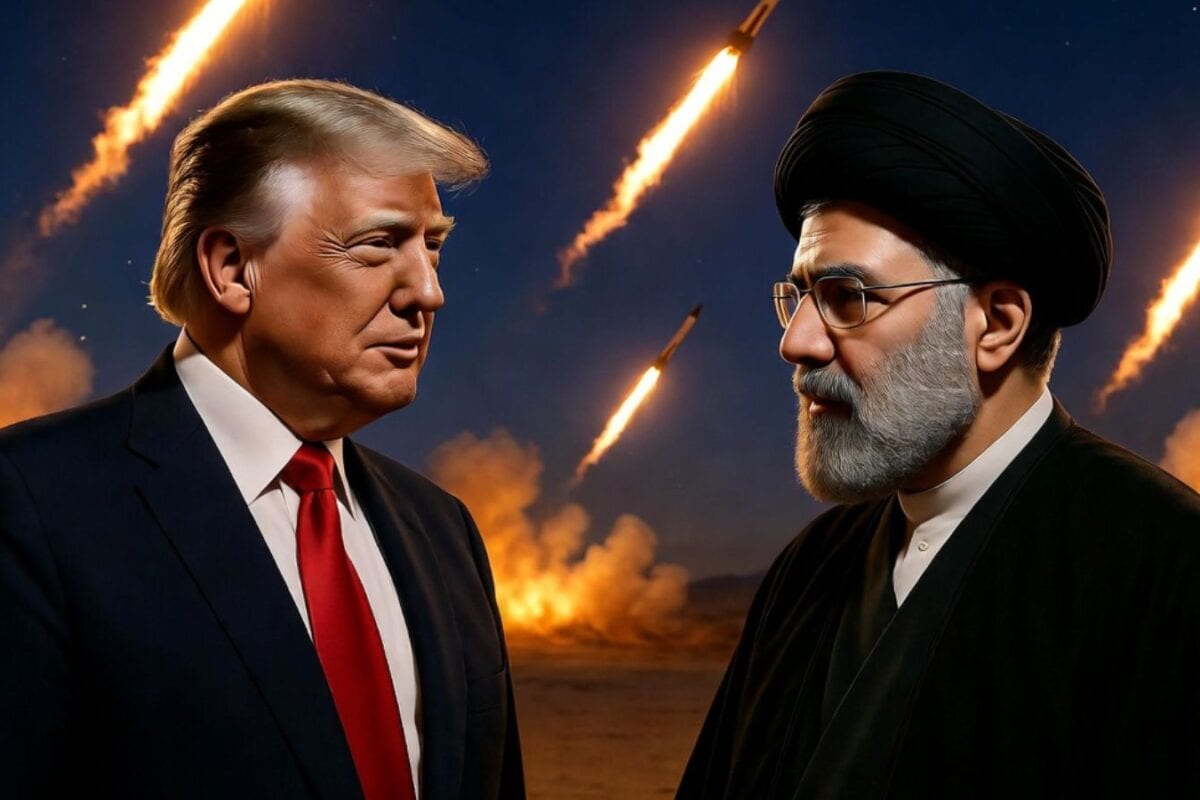
The statement came amid continued debate over the terms of the preliminary agreement signed between the United States and Iran to end the West Asia conflict and launch negotiations on a broader settlement.
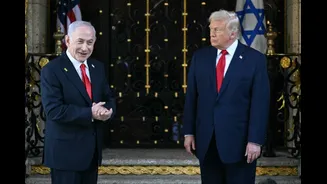
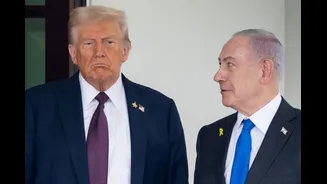
US Vice President JD Vance said the Trump administration believes Israel will ultimately back the agreement despite differences with Israeli Prime Minister Benjamin Netanyahu.
In an interview with NBC’s Nightly News, Vance said the deal would strengthen Israel’s security and expressed confidence that Israeli leaders would support it as implementation moves forward.
“I think fundamentally the United States, we have our interests,” Vance said.
“We also have aligned interests, but also sometimes we’re going to disagree on issues from time to time, and I think that’s totally reasonable,” he added.
His remarks came as questions continued over Israel’s position on the agreement and its implications for regional security.
CIA chief raises concerns
While the White House has defended the agreement, concerns have reportedly emerged within sections of Trump’s national security team.
According to an Axios report published on Monday, CIA Director John Ratcliffe told Trump and other senior officials that intelligence assessments had raised serious doubts about Iran’s willingness to make the nuclear concessions being sought by Washington in a final agreement.
The report said Ratcliffe shared these concerns during internal meetings held before the announcement of the US-Iran memorandum of understanding.
According to sources cited by Axios, the intelligence suggested that Tehran may not fully comply with the requirements expected under a future nuclear deal.
Rubio also reportedly sceptical
The report further stated that Secretary of State Marco Rubio shared similar concerns during discussions with senior officials.
Ratcliffe and Rubio reportedly told colleagues that they doubted Iran would agree to the nuclear steps outlined in the American proposal.
According to Axios, the concerns reflect wider scepticism within parts of the administration about whether Tehran intends to honour the commitments expected under the agreement.
The preliminary deal signed on Sunday is expected to serve as a framework for future negotiations between Washington and Tehran.
While Trump and his allies have presented it as a major diplomatic breakthrough, intelligence assessments and differing views within the administration suggest that significant questions remain about whether a final agreement can be reached and successfully implemented.