





Iran is facing one of its most serious waves of unrest in recent years, with massive anti-government protests spreading rapidly across the country. In a striking early sign of escalation, civilian protesters
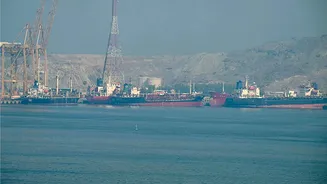
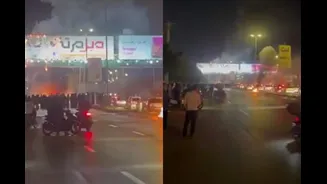
set fire to a building of the Islamic Republic of Iran Broadcasting (IRIB) in Isfahan, targeting a key symbol of state control. At the same time, large crowds have taken over the streets of Bandar Abbas, the strategically vital port city in southern Iran, underscoring the nationwide reach and economic significance of the unrest.
As protests intensified, Iranian authorities imposed a near-total internet blackout across much of the country. The shutdown reflects growing concern within the government over the speed, coordination, and scale of the demonstrations, which have continued despite heavy security deployment.
The protests began on December 28, 2025, triggered by a collapsing currency, soaring inflation, and a worsening economic crisis that has severely impacted daily life. Initially driven by economic grievances, the demonstrations have rapidly evolved into a broader political movement. Protesters are now openly demanding regime change and calling for an end to the Islamic Republic system, marking a sharp shift in both tone and objectives.
Demonstrations have been reported in more than 100 cities nationwide, cutting across regions, ethnic groups, and social classes. Chants once focused on rising prices and unemployment have given way to slogans challenging the legitimacy of the ruling establishment. The scale of participation and the spread to economically and strategically important cities suggest deep-rooted public anger and frustration.
Iranian security forces have responded with a heavy crackdown. Tear gas, live ammunition, and mass arrests have been used to disperse crowds and deter further protests. According to available reports, at least 36 protesters have been killed since the unrest began, including children, while over 2,000 people have been arrested. Rights groups warn that these figures may rise as access to information remains restricted.
The nationwide internet blackout has further limited communication, making it difficult for protesters to organize and for footage of events to reach the outside world. Observers note that such shutdowns have become a key tool for authorities during periods of heightened unrest.
In response, the government has announced limited economic measures, including subsidies, while accusing protesters of links to foreign powers such as the United States and Israel. Protesters have rejected these claims, insisting the movement is driven by domestic economic collapse, political repression, and years of unmet demands.
Despite the crackdown, demonstrations continue, with calls for a general strike adding to pressure on the authorities.