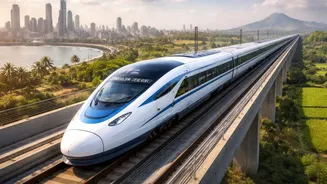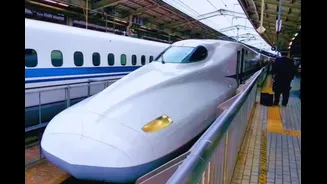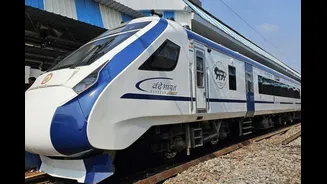








India’s first semi-high-speed Vande Bharat sleeper train is moving closer to launch, with Bengaluru playing a central role in its development. Manufactured at the Bharat Earth Movers Limited facility in the city,
the sleeper variant marks a major shift in how long-distance rail travel is being reimagined in India.
Unlike existing Vande Bharat services designed mainly for daytime journeys, the sleeper version is aimed at overnight travel across long distances. It is expected to offer a faster and more modern alternative to traditional premium trains such as the Rajdhani Express.
What Makes the Sleeper Version Different
The key difference lies in its design and purpose. While current Vande Bharat trains focus on chair-car seating for short to medium routes, the sleeper variant is built for journeys exceeding 800 kilometres. It is designed to combine speed with the comfort expected from overnight travel, allowing passengers to cover long distances more efficiently.
The train is designed to operate at speeds of up to 160 kilometres per hour, although actual operating speeds will depend on the readiness of tracks and signalling systems on specific routes.
Latest Update From Bengaluru
The second rake of the Vande Bharat sleeper train, comprising 16 coaches, was recently dispatched and brought to Sir M Visvesvaraya Terminal in Bengaluru. Railway officials clarified that the rake is currently stationed there temporarily and will remain for a few days as part of the rollout process.
While manufacturing has been completed, the train is yet to enter passenger service. Further technical checks, inspections and approvals are required before it can be deployed on commercial routes.
Coach Configuration and Passenger Experience
The sleeper rake is expected to include multiple air-conditioned classes such as first AC, second AC and third AC, similar to existing long-distance premium trains. However, officials say the focus is on offering a more modern and efficient travel experience.
Improved interiors, better ride quality and quicker acceleration and braking are expected to set the sleeper version apart. The design aims to balance comfort with reduced travel time, particularly for overnight journeys between major cities.
Speed Versus Infrastructure Reality
Although the Vande Bharat sleeper is capable of running at high speeds, railway officials point out that infrastructure limitations remain a challenge. Many long-distance corridors are still undergoing upgrades to support semi-high-speed operations.
As a result, initial services may run at lower speeds until track modernisation, signalling upgrades and safety systems are fully aligned with the train’s capabilities.
Expected Routes and Operations
The final route for the first commercial run has not yet been announced. However, officials indicate that the Northern Railway zone is likely to operate the initial services. This could potentially bring faster overnight connectivity between major cities in northern and western India, where demand for long-distance rail travel remains high.
Before the train can be opened to the public, it must clear a series of safety inspections and performance trials. These include checks related to braking systems, signalling compatibility, onboard controls and overall operational safety.
Railway authorities have indicated that while minor issues flagged during inspections can be addressed in later rakes, the first sets are considered structurally and technically sound.
Bigger Plans for the Sleeper Fleet
Indian Railways plans to build around 10 Vande Bharat sleeper rakes by March 2026. These trains are expected to be deployed on multiple long-distance routes, gradually expanding the network of semi-high-speed sleeper services across the country.
For Bengaluru, the project highlights the city’s growing role in India’s rail manufacturing ecosystem. The production of the Vande Bharat sleeper reinforces the push towards indigenous manufacturing and positions the city as a key contributor to national transport infrastructure.
When Can Passengers Expect to Travel
While an official launch date has not been announced, railway sources suggest the sleeper service could be introduced around the New Year if approvals and trials progress as planned. For passengers, the upcoming train promises a faster and more comfortable way to travel long distances overnight.