
Some restaurants are more than places to eat, they are living archives of a city’s past. Within their ageing walls linger conversations once shared by freedom fighters, writers, artists, and families who
returned year after year, generation after generation. The recipes remain loyal to their origins, the rituals unchanged, and the atmosphere steeped in memory. Dining at these establishments feels less like a meal and more like stepping into a chapter of history that is still unfolding.
What makes heritage restaurants truly rare is their refusal to chase novelty. Here, continuity is the greatest luxury. Menus evolve slowly, cooking techniques are preserved with reverence, and authenticity is protected as a matter of pride. In an age of fleeting food trends and fast reinvention, these places endure because they offer depth, consistency shaped by time, character forged through decades, and credibility that cannot be manufactured.
From Old Delhi’s kebab corridors and Kolkata’s storied cafés to Bengaluru’s legendary dosa halls and Amritsar’s iconic dhabas, these restaurants are cultural landmarks. They are living museums of taste, memory, and identity, where history isn’t merely remembered, but still served, one plate at a time.
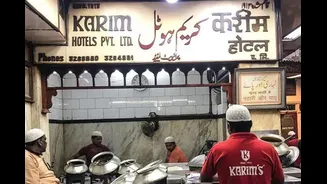
1. Karim’s, Delhi — The Mughal Legacy on a Plate
Karim’s, founded in 1913 in Old Delhi’s Gali Kababian near Jama Masjid, began when Haji Karimuddin brought royal Mughlai recipes from the kitchens of the last Mughal emperors to the streets of the capital. The unpretentious eatery is famed for dishes like slow-cooked nihari, rich mutton korma, and badaam pasanda that have barely changed in over a century. Each dish is cooked with charcoal fires and hand-pounded spices, holding true to the original culinary methods. Today, Karim’s is run by the same family lineage, with multiple branches across India and even abroad. It remains one of Delhi’s most visited heritage eateries by locals and tourists alike.
2. Britannia & Co., Mumbai — Parsi Culinary Crown Jewel
Step into the subdued elegance of Britannia & Co. in Mumbai’s Fort area, where colonial architecture and vintage furniture set the stage for an immersive dining experience. Established in 1923 by an Irani immigrant, this Parsi café has served its signature berry pulao, sali boti, and caramel custard for generations. The décor, with original furniture and slow-paced service, transports you back a century visitors often remark how time seems to stretch here. Owner Boman Kohinoor (often personally taking orders) is part of the experience, adding stories and warmth to your meal. Despite global food trends, Britannia stays true to its classic menu and heritage charm.
3. Leopold Cafe, Mumbai — Colonial Mumbai’s Social Hub
Founded in 1871, Leopold Cafe is one of Mumbai’s oldest multi-cuisine cafés and a fixture of the Colaba Causeway scene. Its long history intertwines with Mumbai’s cultural shifts, surviving and reopening after the 2008 terror attacks with characteristic defiance. Known for its lively ambience, hearty meals, and old-world hospitality, Leopold attracts everyone from backpackers and locals to global travellers. The café was immortalized in Shantaram, further cementing its place in pop culture. With traditional interiors that haven’t lost their charm, every visit feels like a step back in time.
4. Paro – Modern India Bar – Where Jaipur’s Heritage Meets Modern Mixology
Located on Jaipur’s bustling MI Road (Panch Batti), Paro – Modern India Bar has quickly become one of the city’s most talked-about dining and nightlife destinations. Housed in a beautifully restored pre-Independence colonial building that once functioned as a trading hub and family residence, Paro blends old-world architecture with contemporary design, giving guests a sense of both history and high-energy modernity. From the moment you step inside, you’ll notice the space’s heritage charm: lime plaster walls crafted by descendants of artisans who worked on the iconic Hawa Mahal, gleaming Makrana marble floors (the same marble used in the Taj Mahal), and classic jharokhas that nod to Jaipur’s architectural legacy. These historic elements sit comfortably alongside sleek modern touches like a central island bar, plush seating, and ambient lighting.
5. Tunday Kababi, Lucknow — Nawabi Cuisine’s Finest
In the historic lanes of Lucknow’s Chowk, Tunday Kababi has been perfecting its famed galouti kebab since the early 1900s. Legend says Haji Murad Ali, a one-armed chef, created this melt-in-the-mouth delicacy for a toothless Nawab, combining 160 spices for unmatched flavour. This legacy eatery continues to draw enthusiasts from all over India eager to taste the original. Beyond kebabs, other Mughlai classics on the menu reflect centuries of Awadhi refinement. The constant stream of patrons and enduring popularity are testimony to its heritage status. Each bite here is a link to the refined kitchens of Lucknow’s royal era.
6. Flurys, Kolkata — Kolkata’s European-Era Patisserie
A beloved institution on Park Street since 1927, Flurys began as a tearoom and pastry shop and quickly became a Kolkata landmark. Known for its delicate pastries, rum balls, cakes, and classic breakfast offerings, Flurys captures the essence of Kolkata’s colonial café culture. Its elegant interiors and refined menu have made it a go-to spot for generations of locals and travellers alike. Over the decades, the brand has expanded to other cities while retaining its signature nostalgic charm. Whether it’s a leisurely brunch or a sweet treat, Flurys feels like a delicious journey through history.
7. Indian Coffee House — The Intellectual’s Café Legacy
The Indian Coffee House isn’t just a restaurant, it’s an institution of dialogue, dissent, and creativity. While the network of outlets spans many cities, the Kolkata branch on College Street remains the most iconic, tracing back to the early 1940s and the historic Albert Hall building. Scholars, artists, writers, and freedom-era thinkers have gathered here over decades, making it a cradle of ideas as much as coffee. The simple filter coffee and classic menu items are secondary to the ambience, high ceilings, wooden tables, and passionate conversations define the experience. It’s a place where time slows and dialogue thrives.
8. MTR (Mavalli Tiffin Room), Bengaluru — South Indian Tradition Since 1924
Mavalli Tiffin Rooms (MTR) opened as the Brahmin Coffee Club in 1924 and has been a South Indian culinary institution ever since. Its disciplined service and unwavering taste have made classics like rava idli, dose, and filter coffee beloved across generations. The restaurant faced challenges during political changes, even closing briefly during the 1975 emergency, only to reopen and thrive. MTR also catalysed India’s packaged foods boom with its spice mixes and ready mixes, a legacy business alongside the restaurant. Dining here feels like tasting a century of South Indian heritage.