





State-run oil marketing companies (OMCs) on Monday raised petrol and diesel prices for the fourth time in less than two weeks. This comes even as global crude oil prices on Monday slipped sharply below
the psychological $100-per-barrel mark amid easing concerns around the Strait of Hormuz disruption.
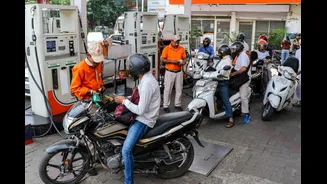
Petrol prices were increased by Rs 2.61 per litre and diesel by Rs 2.71 per litre. In Delhi, petrol now costs Rs 102.12 per litre compared with Rs 99.51 earlier, while diesel prices have risen to Rs 95.20 per litre from Rs 92.49. With the latest revision, cumulative hikes in petrol and diesel prices since May 15 have nearly touched Rs 7.5 per litre, intensifying concerns over inflation, transportation costs and the broader impact on household budgets.
Crude falls, but OMC pressure persists
Even though crude prices have corrected from recent highs, Indian OMCs continue to face pressure because retail fuel prices remained frozen for four years despite soaring global oil rates during the Hormuz crisis.
At the peak of the crude rally, under-recoveries were estimated at nearly Rs 24 per litre on petrol and Rs 30 per litre on diesel. OMC losses had reportedly touched around Rs 1,000 crore per day before phased price hikes were initiated earlier this month.
Petroleum Minister Hardeep Singh Puri had earlier said that state-run fuel retailers were suffering daily losses of around Rs 1,000 crore due to unchanged retail prices.
However, according to analyst estimates cited by NDTV Profit, the four fuel price hikes implemented so far have helped OMCs recover only around 44% of the losses incurred during the crude spike period, suggesting a significant portion of the burden is still being absorbed by refiners.
Normal flow of crude may take months
The latest fuel price hike comes despite a sharp decline in international oil prices on Monday. Brent crude futures dropped nearly 6% to $97.69 per barrel, while US West Texas Intermediate (WTI) crude slipped to $90.85 per barrel after optimism emerged around a possible understanding between the United States and Iran to reopen the Strait of Hormuz.
US President Donald Trump on Saturday said Washington and Iran had “largely negotiated” an understanding on a peace arrangement that could help restore oil flows through the strategically critical route.
Analysts also point out that restoring normal oil flows through the Strait of Hormuz may take months as damaged infrastructure and energy facilities would require extensive repairs.
“The longer the crisis stretches, the more debatable it becomes whether world leaders genuinely want a quick end to disruptions,” Phillip Nova analyst Priyanka Sachdeva said, according to Reuters.
US energy firms responded to higher local energy prices by adding oil and natural gas rigs for the fifth week in a row, for the first time since February 2025. The rig count, an early indicator of future output, rose by seven to 558 in the week to May 22, its highest since June 2025. Even so, Baker Hughes said the total count was still down eight rigs, or 1% below this time last year.
Shipping, insurance costs add to pressure
Apart from crude oil itself, refiners are also grappling with sharply higher freight and insurance expenses. According to estimates, shipping crude from the US and Northern Europe has become more expensive amid heightened geopolitical tensions and elevated insurance premiums for vessels operating around sensitive maritime routes.
Higher freight and risk-related charges increase the delivered cost of crude oil for refiners, which eventually reflects in retail fuel prices.
More fuel price hikes possible?
Brokerage firm Kotak Securities outlined multiple pricing scenarios showing the extent of additional hikes that may still be needed in Delhi under different assumptions.
Under a trade parity pricing model, overall diesel prices may need to rise by as much as Rs 37.9 per litre and petrol by Rs 28.9 per litre. However, part of this has already been hiked.
In another scenario based on export parity pricing and windfall taxes, the required increase was estimated at Rs 13.4 per litre for diesel and Rs 17.1 per litre for petrol.
OMCs on Monday hiked petrol prices by Rs 2.61 per litre and diesel by Rs 2.71 per litre. Petrol prices were raised to Rs 102.12 a litre in Delhi from Rs 99.51 previously, while diesel rates were increased to Rs 95.20 per litre from Rs 92.49. With the latest revision, cumulative increases in petrol and diesel prices have nearly touched Rs 7.5 per litre since fuel price revisions resumed on May 15 after a prolonged freeze, stoking concerns over inflationary pressures and higher transportation costs across the economy.
The brokerage also said recent government changes to windfall taxes were “directionally more rational”.
Market watching Hormuz situation closely
Despite Monday’s correction in crude prices, analysts said energy markets remain extremely sensitive to developments in West Asia.
“Momentum indicators suggest markets are attempting to stabilise after last week’s aggressive selloff, but conviction remains weak,” Sachdeva said, according to Reuters.
Any fresh disruption in the Strait of Hormuz, a route that previously carried nearly one-fifth of global oil and LNG shipments, could once again push crude prices sharply higher and intensify pressure on India’s fuel retailers.