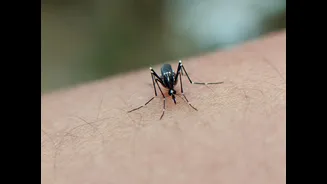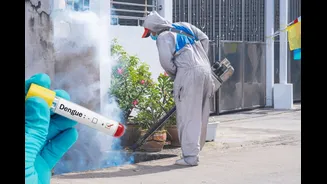









Hospitals across Delhi-NCR are reporting a marked increase in outpatient and emergency visits for fever, flu and mosquito-spread diseases like dengue, with doctors flagging a particularly sharp rise in Influenza
A or H1N1 cases over the past few weeks.
Doctors told News18 the monsoon spell of high humidity and intermittent rain, combined with crowded indoor spaces and low flu vaccination uptake, is behind the surge.
While most patients recover with home care, doctors urged people to watch for warning signs such as breathlessness, chest pain and falling oxygen levels that call for immediate medical attention.
Rise Driven By Weather And Indoor Crowding
“Over the past few weeks, there has been a clinically significant uptick in outpatient footfalls and emergency presentations for acute febrile illnesses (fever) across the region,” said Dr Rajinder Kumar Singal, vice chairman and head of department, internal medicine, at BLK-Max Super Speciality Hospital, Delhi.
Cases are showing a mix of respiratory virus infections and mosquito-spread diseases, he said, adding, “Seasonal transitions, high humidity, and intermittent rainfall significantly enhance pathogen survival and transmission in the community.”
Singal said the H1N1 rise is being driven by three factors: humid, warm weather that keeps infected droplets suspended in the air for longer; “people spending more time in closed, air-conditioned spaces with poor airflow, where the virus spreads faster; and low annual flu vaccination rates combined with lax hygiene habits, leaving many people vulnerable.”
Delhi’s H1N1 Numbers Climb Sharply
Dr Arjun Khanna, head of the Department of Pulmonology at Amrita Hospital, Faridabad, cited recent reports that Delhi has recorded 1,449 H1N1 cases this year, nearly six times the number reported in the same period last year. He said the infection can look mild at first but, in vulnerable patients, can worsen into pneumonia, dangerously low oxygen levels in the blood and, occasionally, severe lung failure.
“The message is simple: don’t panic every time you get a fever, but don’t underestimate influenza,” Khanna said, adding, “We are seeing a large number of patients with high fever, severe body ache, cough, sore throat and extreme fatigue. We are worried that some patients are deteriorating faster than we would expect from an uncomplicated viral fever.”
Khanna attributed the rise to a combination of monsoon conditions, crowded indoor spaces such as schools, workplaces and public transport with poor ventilation, and the fact that flu viruses keep changing, meaning protection from a past infection or vaccine does not last forever.
Symptoms And Red Flags
Doctors told News18 that H1N1 usually strikes suddenly and more severely than an ordinary cold, with high fever and chills, severe body ache, headache and extreme tiredness, dry cough and sore throat, and, in children, symptoms like vomiting or loose motions.
“A temperature of 102 or 103 degrees alone is not dangerous. Red flags are if associated with breathlessness, chest discomfort, abnormal drowsiness, confusion or falling oxygen saturation,” Khanna said.
“At that point, this is not something that should be dealt with at home,” he said.
Khanna added that a patient who seems to be recovering and then suddenly develops a fresh fever and a worsening cough should be treated as a possible warning sign of pneumonia or another complication.
Who Should Get Tested, And When
According to Singal, routine testing for flu is not needed for mild cases but is strongly advised for high-risk groups — adults above 65, children under five, pregnant women, and people with diabetes, chronic lung disease, asthma, kidney disease, heart disease or weakened immunity, for example, from cancer treatment or an organ transplant.
Testing is also advised for anyone whose condition is worsening, such as with breathlessness, chest pain or a fever that won’t go away.
Khanna cited a large study of over 29,000 hospitalised H1N1 patients that found that starting antiviral medicines early was linked to fewer deaths. He said doctors may start antiviral treatment in very sick, high-risk patients even before test results come back.
Singal said antiviral medicines like Oseltamivir work best when started within 48 hours of symptoms beginning.
Dengue Cases Also Climbing Amid Monsoon
“In our OPD services, we have been seeing 15 to 20 cases of suspected dengue or H1N1 each day,” said Dr Arvind Aggarwal, director, internal medicine, at Sri Balaji Action Medical Institute, Delhi.
“Out of these, 2 to 3 cases are admitted due to important warnings such as severe abdominal pain, constant vomiting, or a steep fall in the blood platelet count,” he said, adding that the rest are managed well through OPD care with self-monitoring and oral rehydration.
“We recommend the residents to take measures to prevent the formation of stagnant water in their surroundings, use mosquito repellents, keep a clean environment, and take precautions and consult the doctor immediately after the start of a persistent fever,” Aggarwal said.
Precautions The Doctors Are Recommending
Doctors advised the annual flu vaccine as the best protection against severe illness, especially for high-risk people and healthcare workers, along with covering the mouth and nose while coughing or sneezing, washing hands with soap and water for at least 20 seconds or using a hand sanitiser, and staying home until at least 24 hours after the fever goes away without taking fever medicine.
They also warned against taking antibiotics on one’s own, since these do not work against viral infections like flu and can make future infections harder to treat. Fever-reducing medicines like paracetamol and plenty of fluids should be the first step, unless a doctor specifically prescribes antiviral medicine.