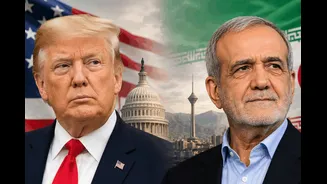







When United States and Iran announced the signing of a peace deal after months of a bloody conflict, the question on everyone’s mind in India was not hard to guess—will our fuel prices come down?
The war
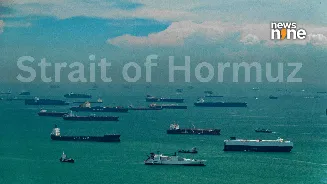
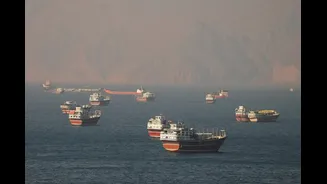
disrupted oil flows through the Strait of Hormuz, one of the world’s most important energy chokepoints, with fears of supply shortages pushing crude prices sharply higher and raising concerns about inflation across the globe. Now, with Washington and Tehran signing an interim agreement and moving towards reopening Hormuz, oil markets are reacting in the opposite direction.
Why The Iran War Mattered To India
For India, the war meant a direct impact on households. India imports more than 85 per cent of the crude oil it consumes. When fighting broke out and shipping through the Strait of Hormuz came under threat, oil prices surged because traders feared a supply crunch.
ALSO READ | Hormuz Reopens, But A $300-Billion Question Remains: What The US-Iran Deal Leaves Unclear
Nearly one-fifth of the world’s oil trade passes through the narrow waterway. For India, the risks were significant—higher petrol and diesel prices, costlier LPG cylinders, increased airfares and freight charges, higher inflation, and a larger import bill.
What Changed With The Peace Deal?
The agreement between the US and Iran includes steps to reopen the Strait of Hormuz and ease restrictions on Iranian oil exports while broader negotiations continue.
Markets immediately interpreted this as a sign that more oil could soon return to global supply chains. Reuters reported that the reopening of Hormuz could release millions of barrels of stranded crude into the market, including both Iranian oil and shipments from other Gulf producers that were unable to move freely during the conflict.
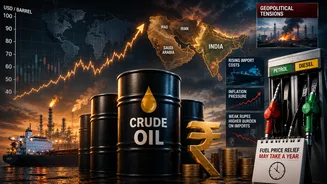
That expectation has already pushed prices down. Brent crude, the global benchmark, has fallen to around $77-78 a barrel, its lowest level in more than three months.
Why Cheaper Oil Is Good News For India
The first benefit is obvious: India pays less for imported crude. A lower oil import bill reduces pressure on government finances and helps contain inflation. Reuters noted that falling crude prices have already improved sentiment in Indian markets because investors see lower energy costs as a positive for the economy.
ALSO READ | Hormuz Reopening, Down-Blending Of Uranium, No Nukes: Inside The 14 Clauses Of US-Iran Peace Deal
The second benefit is fuel pricing. Although petrol and diesel prices in India do not move in lockstep with international crude prices, sustained declines eventually create room for oil marketing companies to either reduce prices or avoid future hikes.
The third benefit is energy security. A stable Strait of Hormuz means India’s refiners can source crude more easily from West Asia, reducing fears of supply disruptions.
So, Will Petrol And Diesel Become Cheaper?
Not immediately.
Indian retail fuel prices depend on several factors beyond crude oil—refining costs, transportation expenses, state taxes, central excise duties, and currency movements.
Historically, oil companies wait to see whether a decline in crude prices is sustained before making significant adjustments. In other words, a few days of cheaper oil does not automatically translate into cheaper petrol at the pump.
There is another reason for caution.
The agreement is currently an interim arrangement that gives both sides a 60-day window to negotiate a permanent settlement. Several contentious issues, including Iran’s nuclear programme and the long-term framework for sanctions relief, remain unresolved.
ALSO READ | Explained: Why Falling Crude Oil Prices Is Good News for India’s Economy
Analysts have warned that if negotiations break down or tensions return, oil prices could climb again. As Reuters noted, questions also remain about how quickly oil shipments will return and whether all supply bottlenecks can be removed immediately.
Iran could also complicate the issue with plans to charge commercial vessels transiting the Strait of Hormuz once a 60-day grace period expires.
Iranian Parliament Speaker and chief negotiator Mohammad Bagher Ghalibaf said, “The agreement is a record of US failure. People will see it and judge. The Strait of Hormuz will not return to pre-war conditions. Iran has the right to sovereignty over the Strait of Hormuz, and of course, we will receive a fee for services.”
Looking Ahead
The Iran peace deal is perhaps the best energy news India has received in months.
The war had pushed up fears of a global oil shock by threatening the Strait of Hormuz. The agreement has done the opposite, bringing down crude prices, easing inflation concerns and improving India’s energy outlook.
For consumers, that does not mean cheaper petrol and diesel tomorrow morning. But it does mean the risk of another painful spike in fuel prices has fallen sharply; at least for now.