
As many as 2,200 Bangladeshis allegedly living illegally in the National Capital were deported back to their country this year, according to officials of the Ministry of Home Affairs. The tedious exercise—from
identification to verification and deportation—has been completed after strict directions from MHA to intensify crackdown on illegal foreign residents in India.
It is the result of heightened enforcement, officials aware of the matter told News18, that in 2025 so far, close to 2,200 Bangladeshis have been deported. The numbers were significantly low the previous years, with only 14 deportations in 2024, five in 2023 and 50 in 2022.
The issue has been on the agenda of multiple high-level meetings concerning national security. It was also discussed last year in the DGs’ conference, the annual security meet headed by the prime minister and the home minister.
After this, directions were issued to all states to execute the detailed exercise of identifying illegal migrants staying in the country.
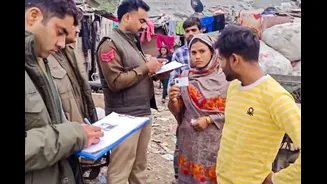
Detailing the process, a senior official told News18 that in Delhi, it is the Delhi Police that begins identifying these settlements and individuals and then, their papers and documents are checked.
“In many cases, we found them in possession of Indian identity documents like Aadhaar and PAN cards, even voter IDs. These documents are verified and when found forged, the person is detained. They are then produced before the Foreigners Regional Registration Office (FRRO). The Bureau of Immigration then sends them to restriction centres also known as detention centres. And from there, in batches, they are sent to India-Bangladesh border districts by train where the Border Security Force (BSF) takes their custody,” the officer said.
It is then that the BSF lines up with their counterparts in Bangladesh as per the set protocols and these residents are sent back to their homeland, the official added.
Majority of the Bangladeshis cross over into India illegally or follow the due process but overstay extending their visa deadlines in search of a better livelihood and to overcome their financial strain.
Many Bangladeshis also come to India seeking better medical facilities and many a times have been allowed on humanitarian grounds.
Recently, the Supreme Court had permitted entry of a pregnant Bangladeshi woman and her eight-year-old child into India months after they had been sent back to Bangladesh. The woman, whose father is a daily wage labourer, was allowed medical care and free delivery of her expected child.