








Hair loss can significantly impact confidence, yet many men and women hesitate to explore hair patches due to widespread misconceptions. Modern hair patch systems have evolved dramatically, but outdated
myths continue to discourage people from considering this effective, non-surgical solution. It is time to separate fact from fiction.
Dr Tapan, Hair Transplant Surgeon, Majestic Hair and Skin Clinic, shares all you need to know:
Myth 1: Hair patches look fake and are easy to spot
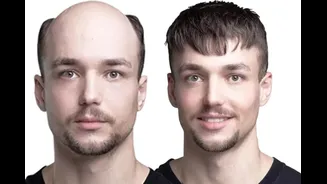
This is one of the most common misconceptions. Today’s hair patches are designed using advanced materials that closely mimic the natural scalp and hair texture. When customised to match an individual’s hair colour, density, and hairline, they blend seamlessly and are virtually undetectable, even at close range.
Myth 2: Hair patches can fall off easily
Many people fear the embarrassment of a patch slipping or coming loose. In reality, professional hair patch systems are secured using medical-grade adhesives or tapes designed for active lifestyles. When properly fitted and maintained, they remain stable during workouts, swimming, and everyday activities.
Myth 3: Hair patches are uncomfortable to wear
Modern hair patches are lightweight, breathable, and engineered for long-term comfort. Unlike older versions, current systems allow airflow to the scalp, reducing irritation and making them comfortable for extended wear.
Myth 4: Hair patches are only for advanced baldness
Hair patches are not limited to severe hair loss cases. They are equally effective for individuals with partial hair loss, thinning crowns, or receding hairlines, making them a versatile option across different stages of hair loss.
Myth 5: Hair patches require high maintenance
While basic upkeep is necessary, maintenance is simple and manageable. With periodic professional servicing and routine home care, hair patches can remain in excellent condition for months.
In reality, hair patches offer an immediate, safe, and customisable solution for hair loss without surgery or long recovery periods. Dispelling these myths allows individuals to make informed choices and confidently explore an option that restores not just hair, but self-esteem.