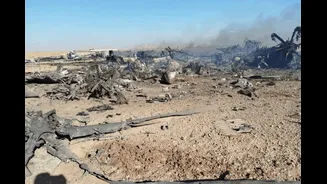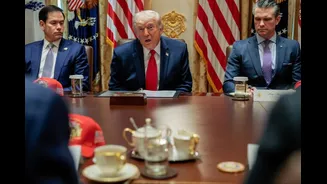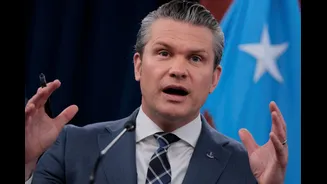








With no breakthrough yet in negotiations over a possible Iran deal, US Defence Secretary Pete Hegseth said on Saturday that Washington remains fully prepared to restart military operations against Iran if
circumstances require.
Speaking at the Shangri-La Dialogue in Singapore, Hegseth said the United States has the military capability and weapons stockpiles needed to conduct operations in multiple regions at the same time.
“Our ability to recommence if necessary is (that) we are more than capable, our stockpiles are more than suited for that, both there and around the globe because of how we balance exquisite and more plentiful munitions,” he said.
His remarks came as discussions continue over a possible diplomatic arrangement between Washington and Tehran following months of conflict and heightened tensions in the Middle East.
No to Iran nuclear weapons
Hegseth reiterated Washington’s long-standing position that Iran should not be allowed to acquire nuclear weapons. “We still have global obligations to ensure that, say, Iran doesn’t get a nuclear weapon,” he said.
This comes amid the ongoing negotiations with Tehran for a deal.
Indo-Pacific a strategic priority
Alongside the Middle East, Hegseth used his address to outline broader American strategic goals in the Indo-Pacific region.
He said the United States remains committed to preserving stability and maintaining a balance of power across Asia amid concerns over China’s growing influence.
“What we seek is a genuinely stable equilibrium that works for Americans as well as our allies — a favourable but durable balance of power in which no state, including China, can impose its hegemony and hold the security or prosperity of our nation and our allies in question,” Hegseth said.
According to him, preventing any single country from dominating the region remains a key element of US policy.
Allies expected to share more responsibility
Hegseth also signalled that Washington expects its allies to take on a larger share of security responsibilities in the future. “The era of US subsidising wealthy nations is over,” he said.
The defence secretary argued that long-term stability and prosperity depend on ensuring that no single power dominates the Indo-Pacific. He reaffirmed America’s commitment to supporting what it describes as a free and open Indo-Pacific region.
US focus on Middle East and Asia
Hegseth’s remarks reflected the US administration’s dual focus on security challenges in the Middle East and strategic competition in Asia.
While discussions with Iran continue without a breakthrough, Washington has maintained that it remains ready to respond militarily if required.
At the same time, the United States is continuing efforts to strengthen alliances and deterrence measures across the Indo-Pacific as concerns over China’s regional influence remain central to security discussions.