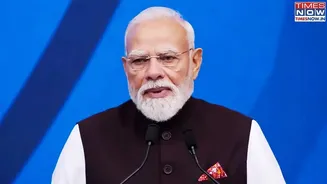







India-Frnce Ties: India and France on Sunday agreed to double their annual bilateral trade to $32 billion within the next five years and unveiled a series of initiatives in technology, innovation and defence
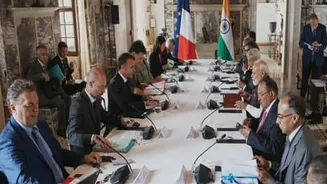
following talks between Prime Minister Narendra Modi and French President Emmanuel Macron.
The two leaders announced 13 key outcomes, including an India-France Innovation Roadmap 2030, the creation of a joint Artificial Intelligence Working Group, expansion of India’s UPI payment system in France, and the establishment of a high-level mechanism to achieve the trade target.
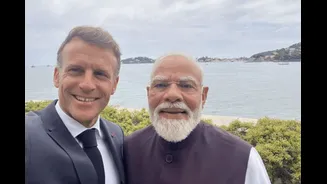
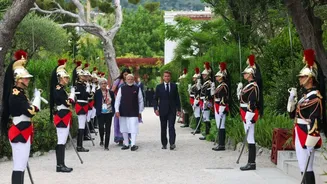
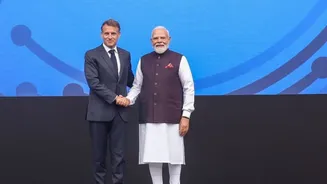
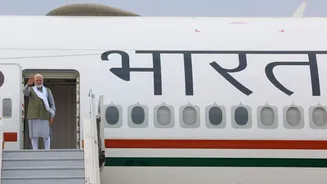
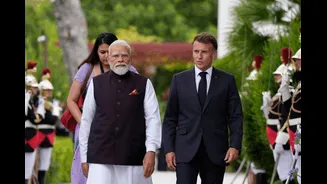
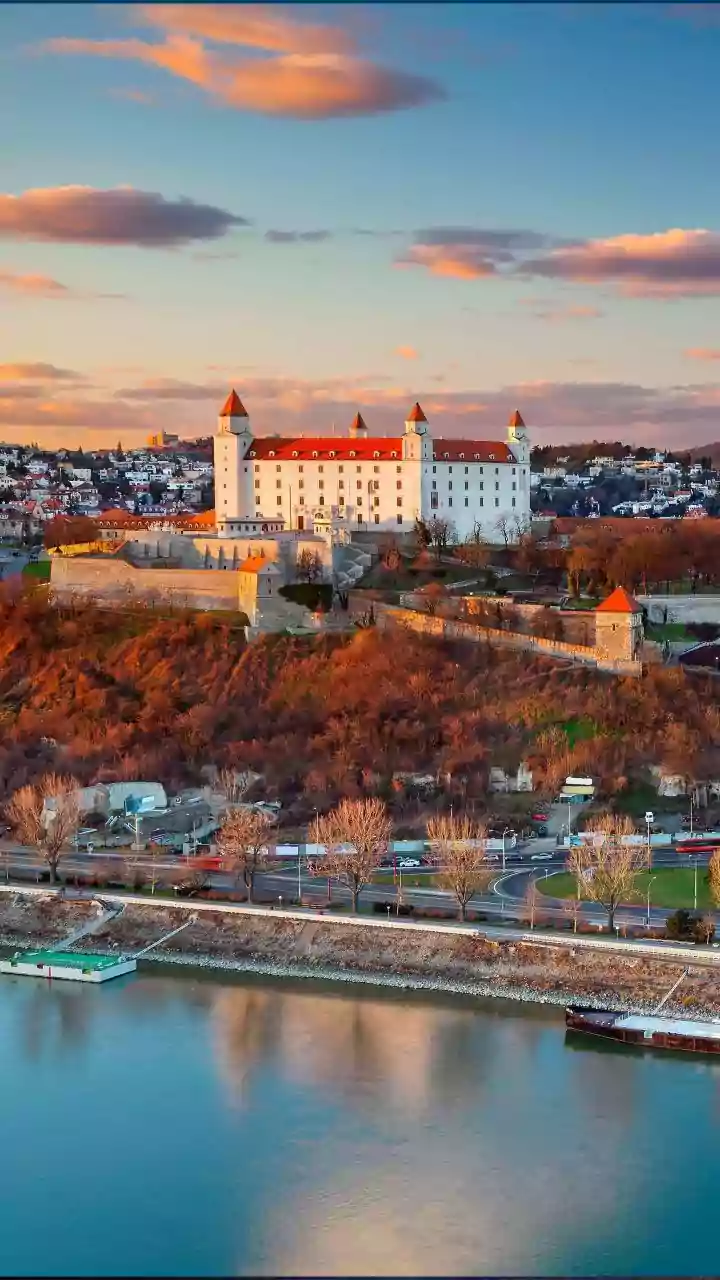
The agreements were finalised during bilateral talks in Nice, where PM Modi is visiting as part of his week-long tour of France and Slovakia.
In a post on X, PM Modi said, “What a pleasure to have met you again in Nice. A first step that was resolutely productive. The partnership between India and France will continue to reach new heights. See you in Évian and Paris…”
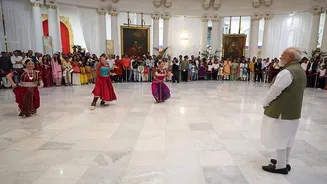
Here are highlights from Nice…a great start to my France visit.
May the India-France friendship keep getting stronger.@EmmanuelMacron pic.twitter.com/2GMFQDhecE
— Narendra Modi (@narendramodi) June 15, 2026
Foreign Secretary Vikram Misri said the discussions covered the full spectrum of bilateral relations, including defence, civil nuclear energy, space, trade, investment, technology, innovation, education and people-to-people exchanges.
A major focus of the talks was strengthening cooperation in technology and innovation. The two sides unveiled an Innovation Roadmap 2030 aimed at expanding collaboration in critical and emerging technologies, startups, incubators and academic partnerships.
India and France also announced the creation of a Joint Artificial Intelligence Working Group to cooperate on AI governance, research and development, capacity building and industry exchanges.
The leaders agreed to establish a high-level mechanism dedicated to doubling bilateral trade within five years and launched a separate dialogue on economic security, with a focus on strengthening supply chain resilience and cooperation in critical minerals.
The two countries also decided to expand the use of India’s Unified Payments Interface (UPI) in France. The digital payment system is expected to become operational at Paris’ Charles de Gaulle Airport and Nice Airport in the coming days, benefiting Indian tourists, students, business travellers and the diaspora community.
Defence cooperation featured prominently in the discussions. Misri said talks progressed on India’s proposed procurement of 114 Rafale fighter jets, with both sides emphasising greater localisation under the “Make in India” initiative through co-design, co-development and co-production.
The leaders also reviewed cooperation in the civil nuclear energy sector, including discussions on the Jaitapur nuclear power project and opportunities arising from India’s recently enacted SHANTI legislation. They also explored collaboration in advanced and small modular reactor technologies.
The two leaders emphasised the importance of enhancing people-to-people ties. PM Modi thanked Macron for the swift operationalisation of visa-free transit for Indian nationals at French airports.
They further discussed ways to enhance the mobility of talent and students between the two countries and expand mutual recognition of educational qualifications.
Among the outcomes announced was the establishment of a National Centre of Excellence for Skilling in Aeronautics and Allied Sectors in Kanpur, aimed at strengthening workforce development for aviation, aerospace and maintenance sectors.
The two leaders also discussed ways to enhance talent mobility, student exchanges and mutual recognition of educational qualifications. PM Modi invited French universities to establish campuses in India under the National Education Policy framework.
The two leaders also exchanged views on major global developments, including the situation in West Asia and the Russia-Ukraine conflict. They also called for the early implementation of the India-European Union Free Trade Agreement, saying it would create new opportunities for trade and investment.